Identity — an exhibition by the Grandmothers of Plaza de Mayo
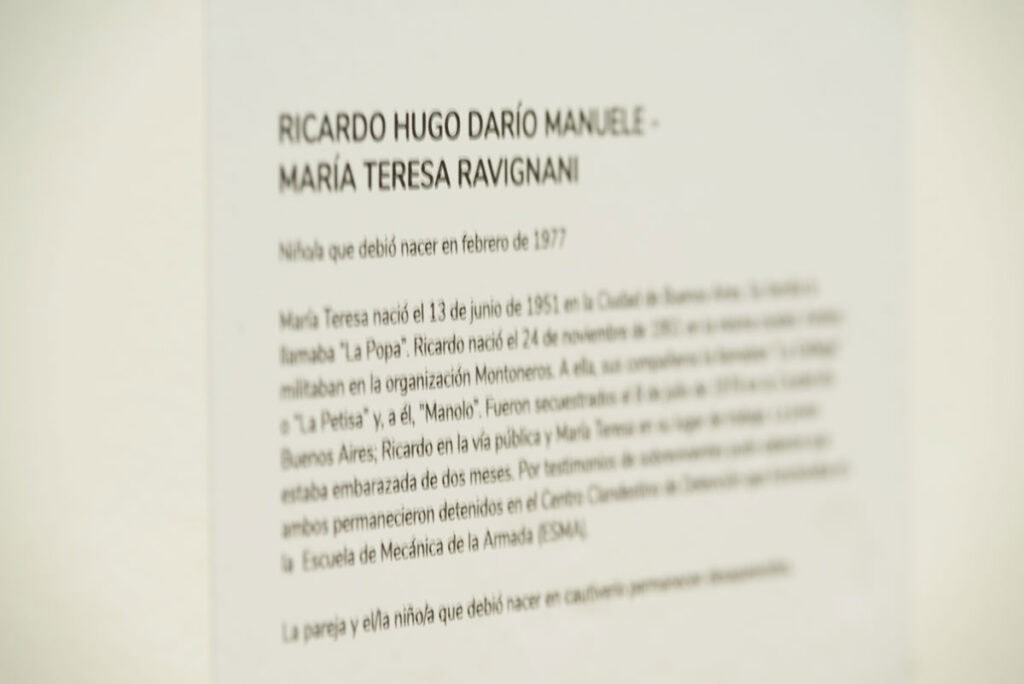
Collective exhibition carried out in conjunction with Abuelas de Plaza de Mayo, the civil organization that since 1977 has pursued the unwavering objective of locating and restoring the identity of the approximately 500 babies and children appropriated during the last civic-military dictatorship in Argentina.
By 2026, the tireless work of the Grandmothers had succeeded in restoring the identity of 140 grandchildren, transforming the urgency of a search where those who were appropriated are now adults, many of them with children of the same age as their parents were at the time of their disappearance.
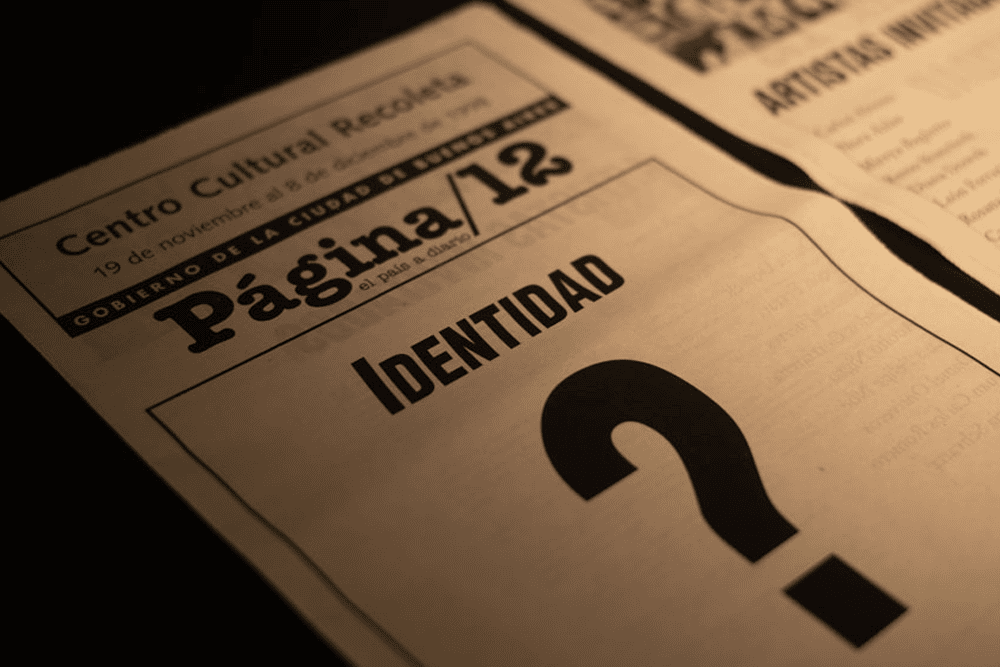
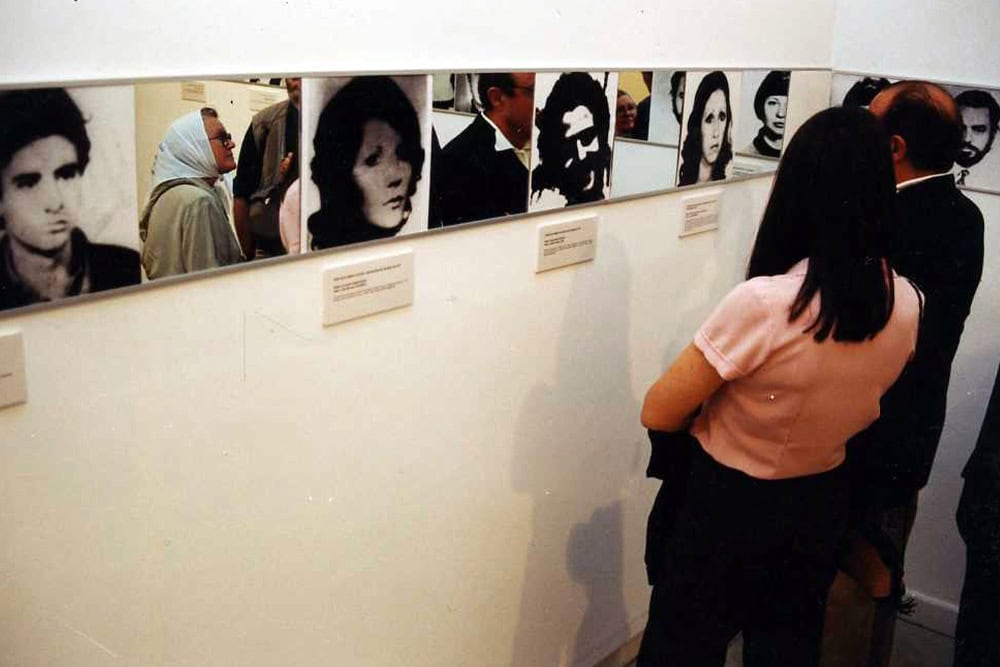
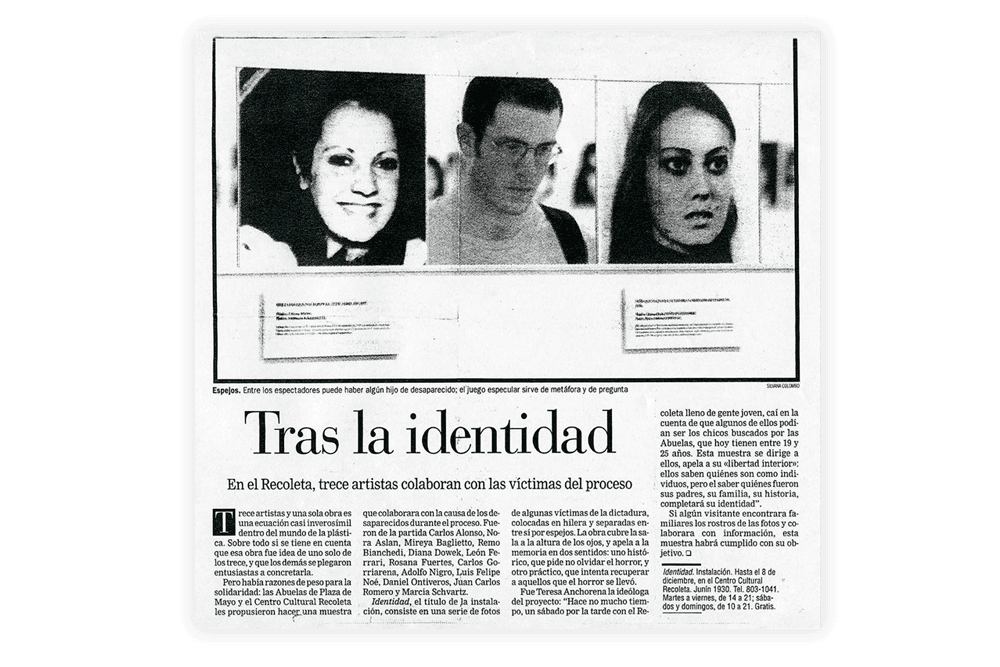
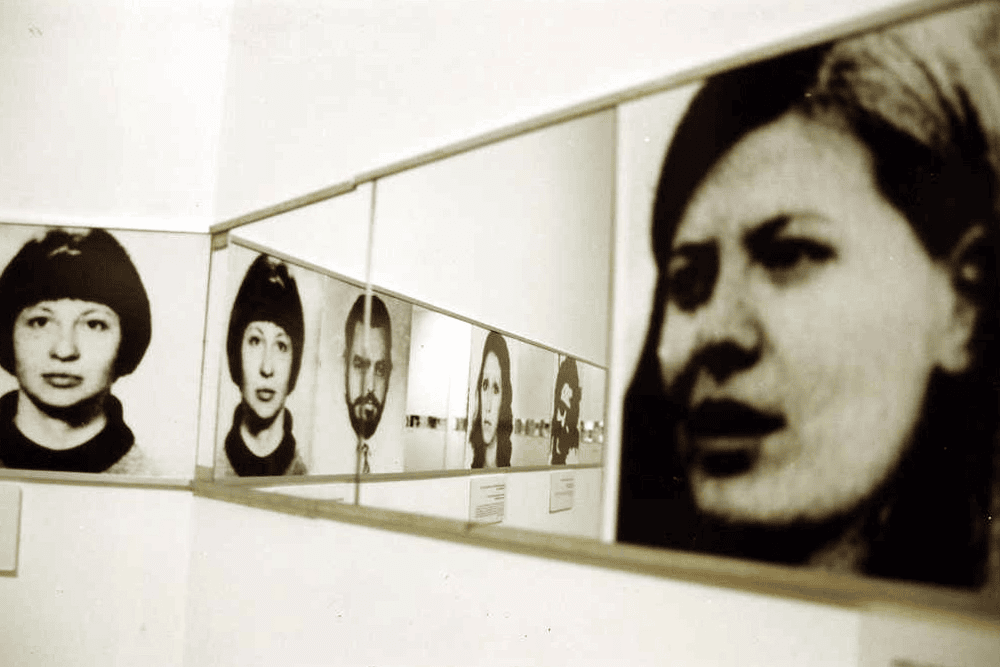
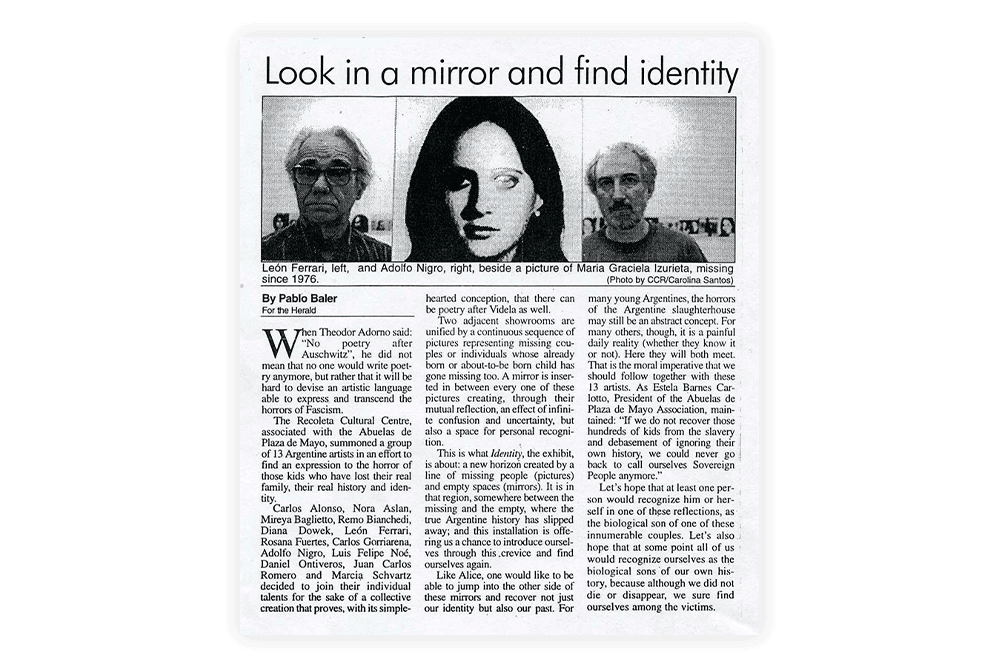
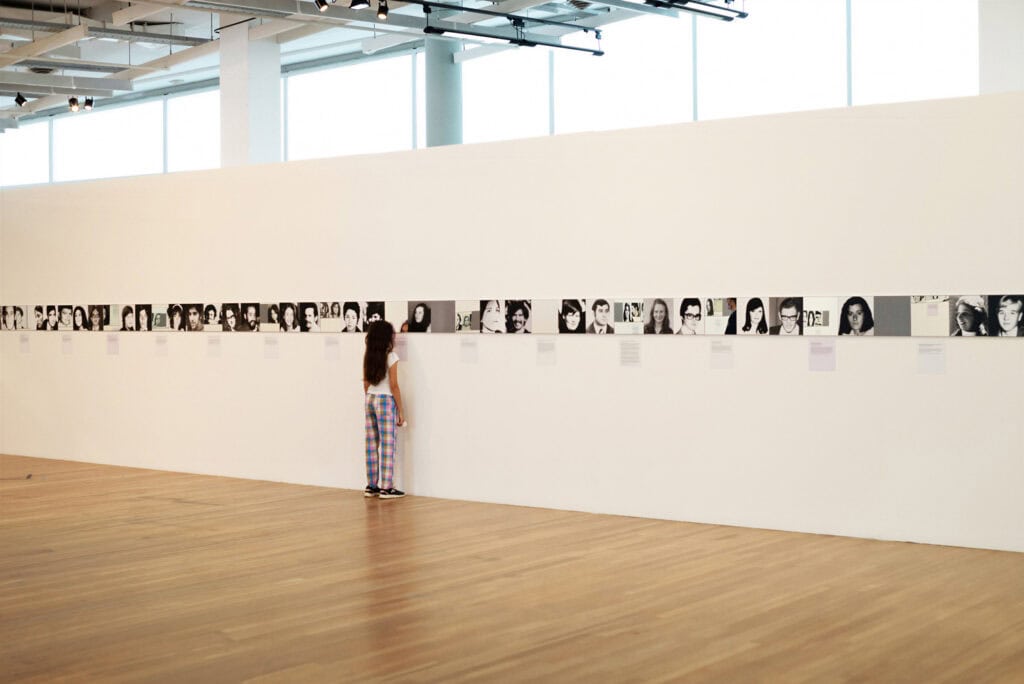
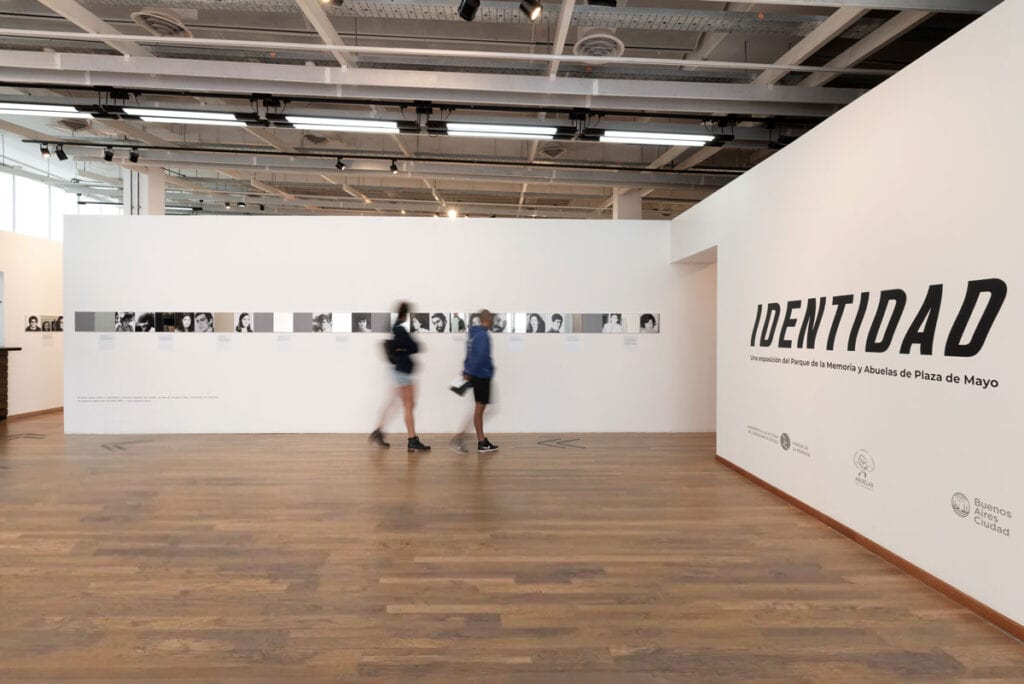
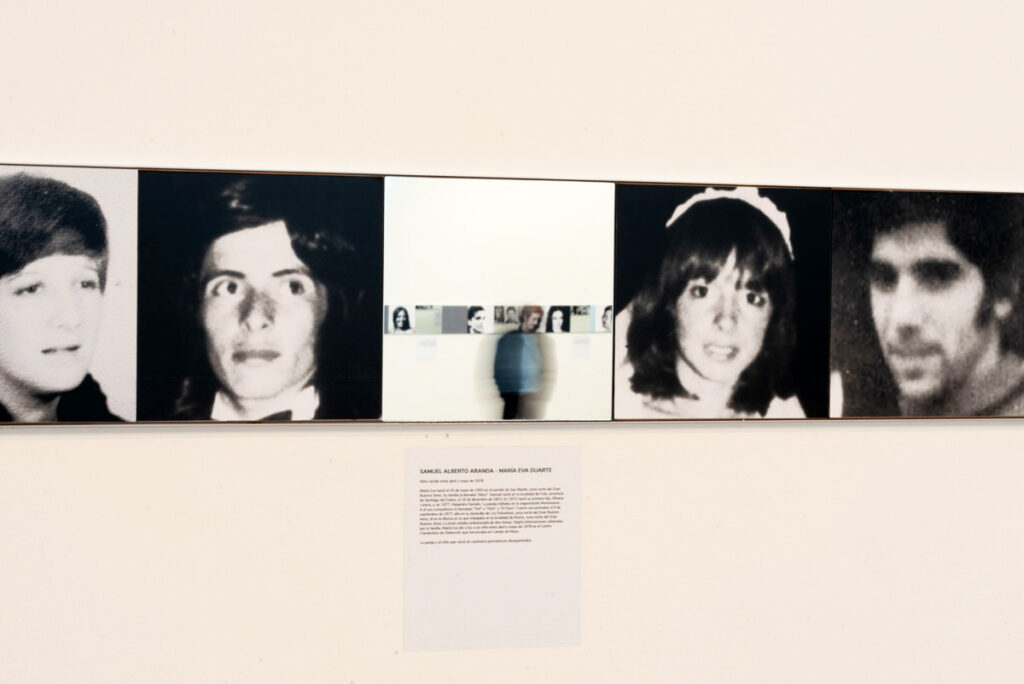
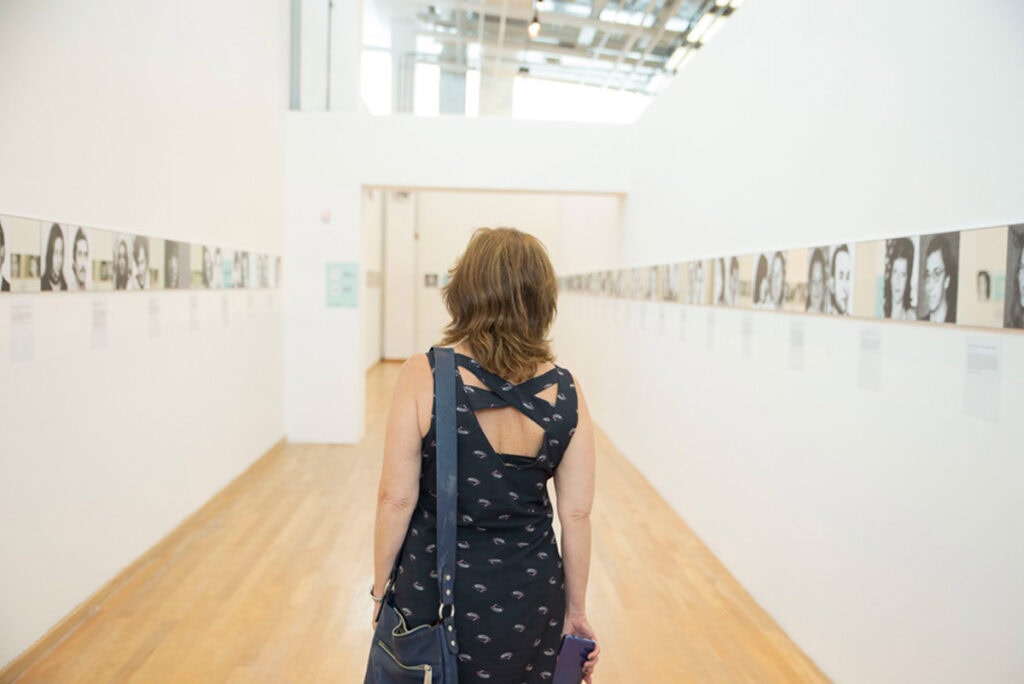
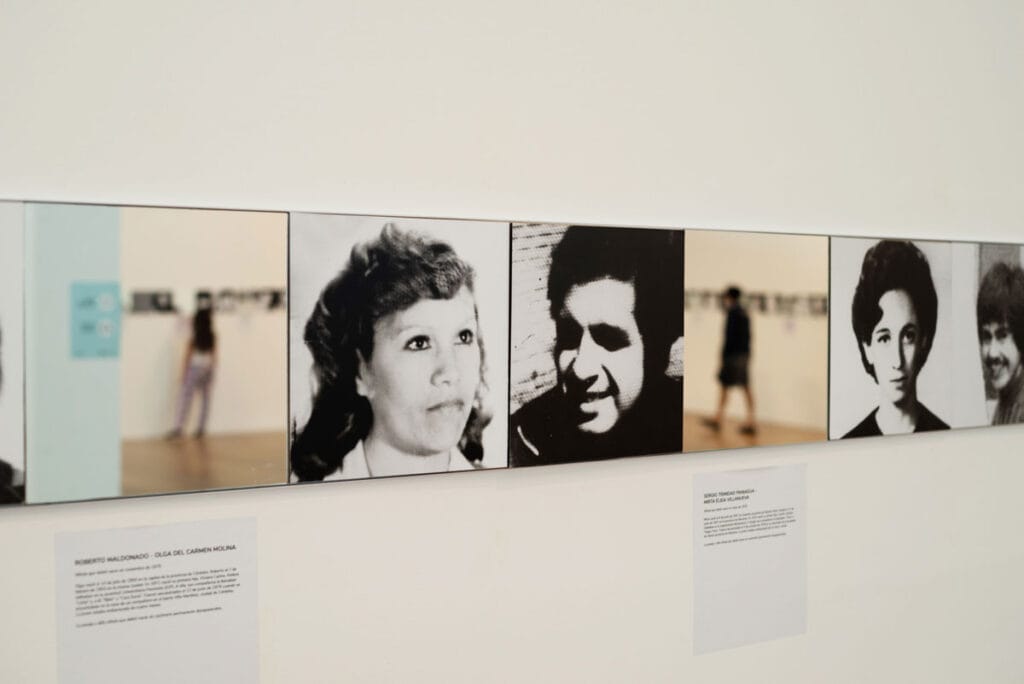
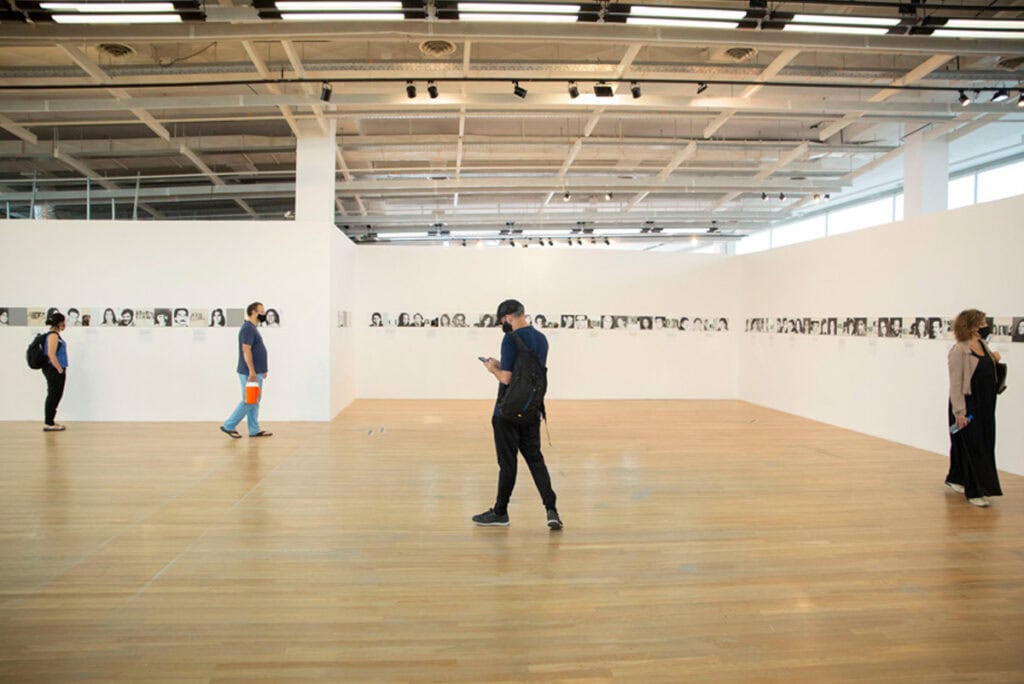
The exhibition revives the historic conceptual device inaugurated in the late 1990s at the Recoleta Cultural Center, an installation that uses direct visual confrontation to challenge the viewer about their own history and affiliation.
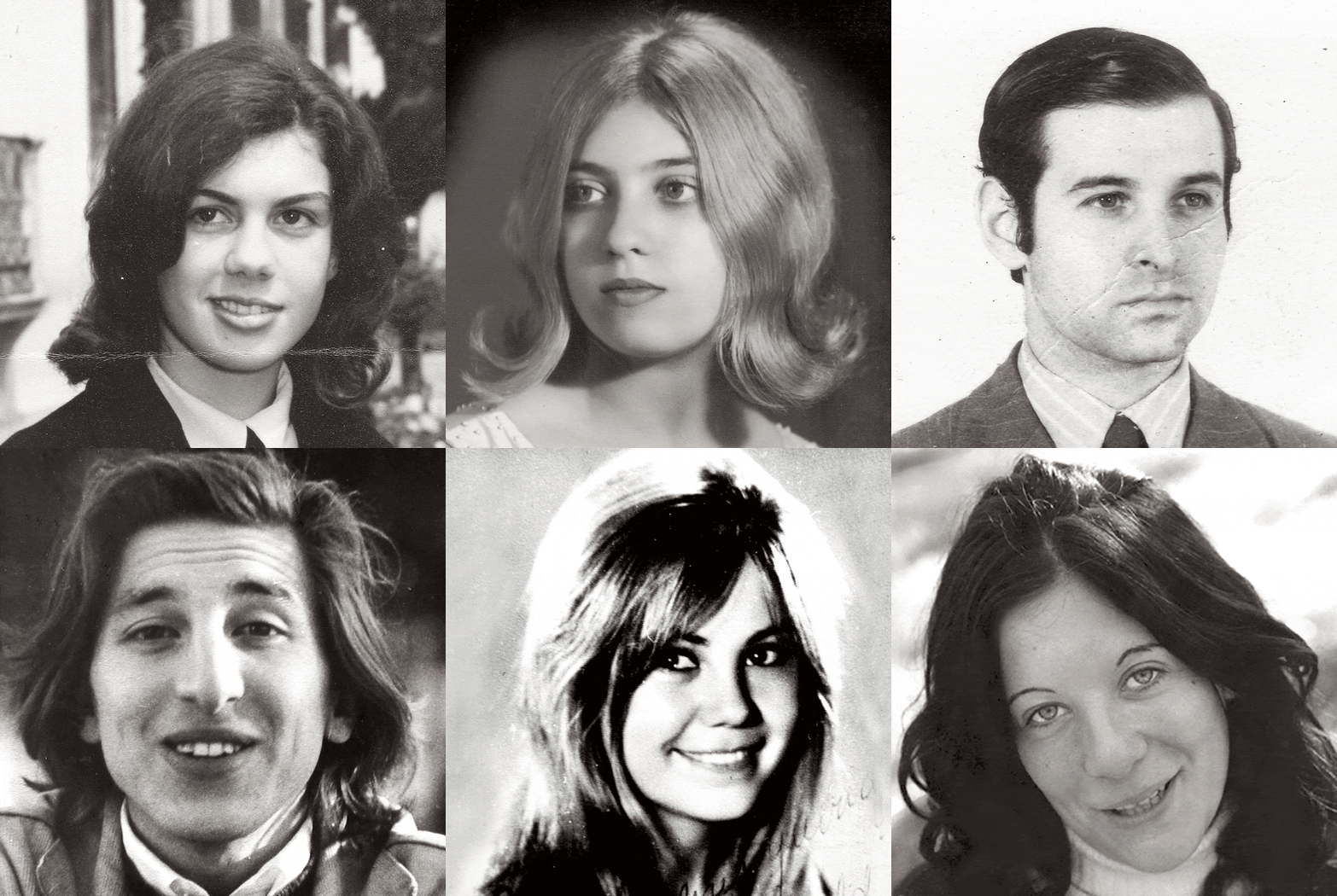
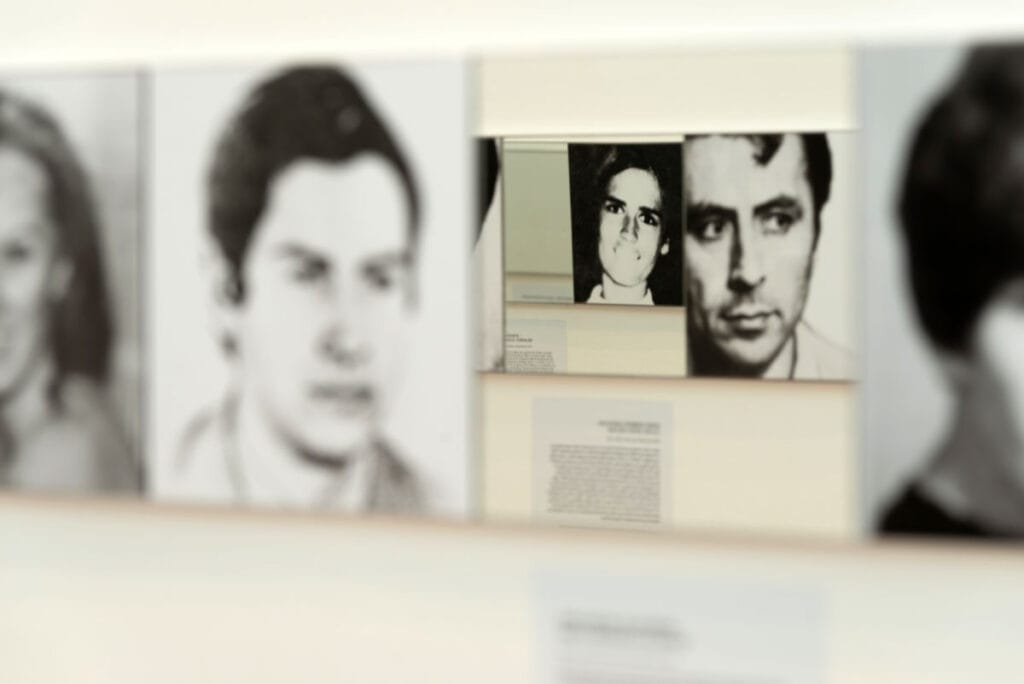
The staging places the father's photograph on the left and the mother's on the right; in the exact center, there is a mirror. This central void shifts the visitor's gaze, forcing them to see their own face reflected in the features of the missing couple.
The architectural and visual device thus functions as a psychological and political reagent: the reflection not only questions the identity of the viewer, but materially completes the absence, turning mourning into an experience of collective introspection and an open question about filiation and origin.
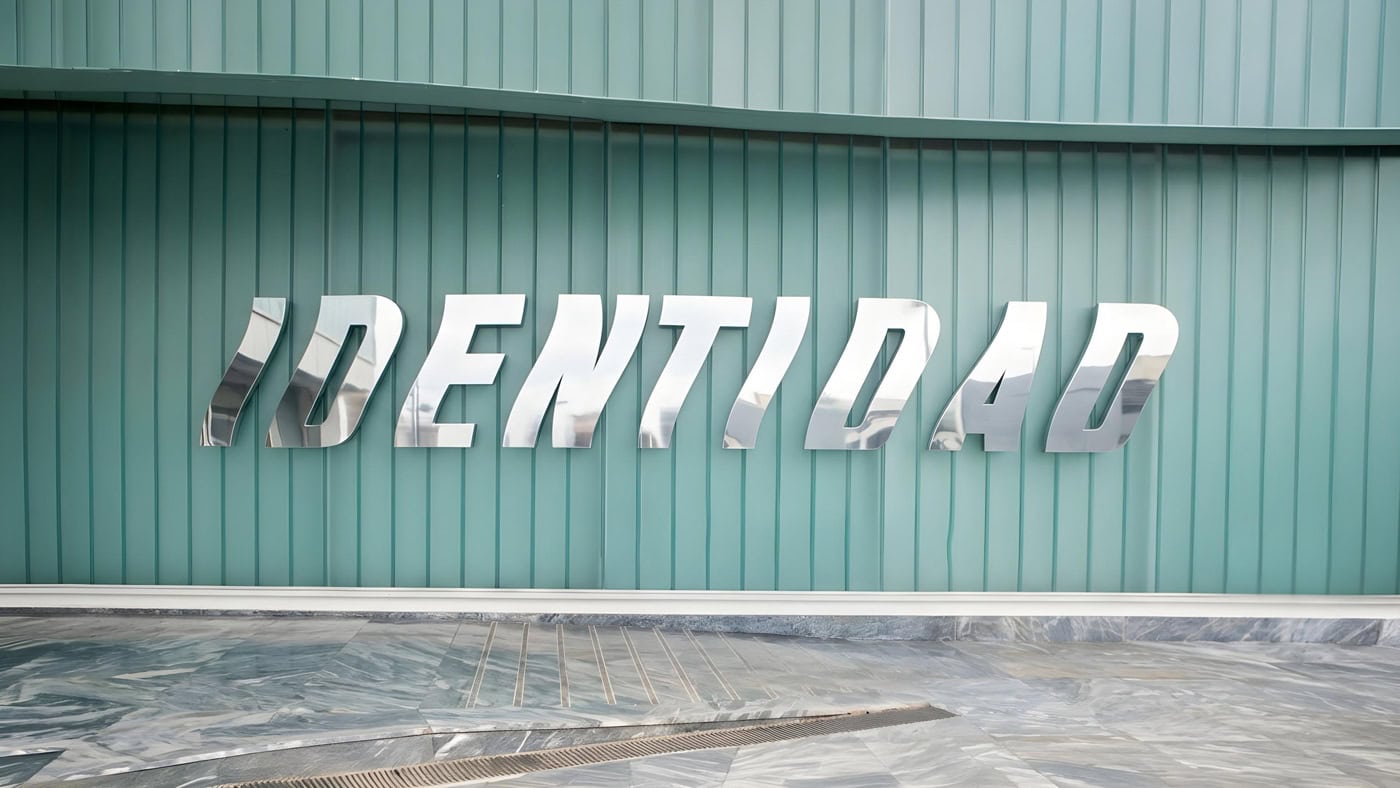
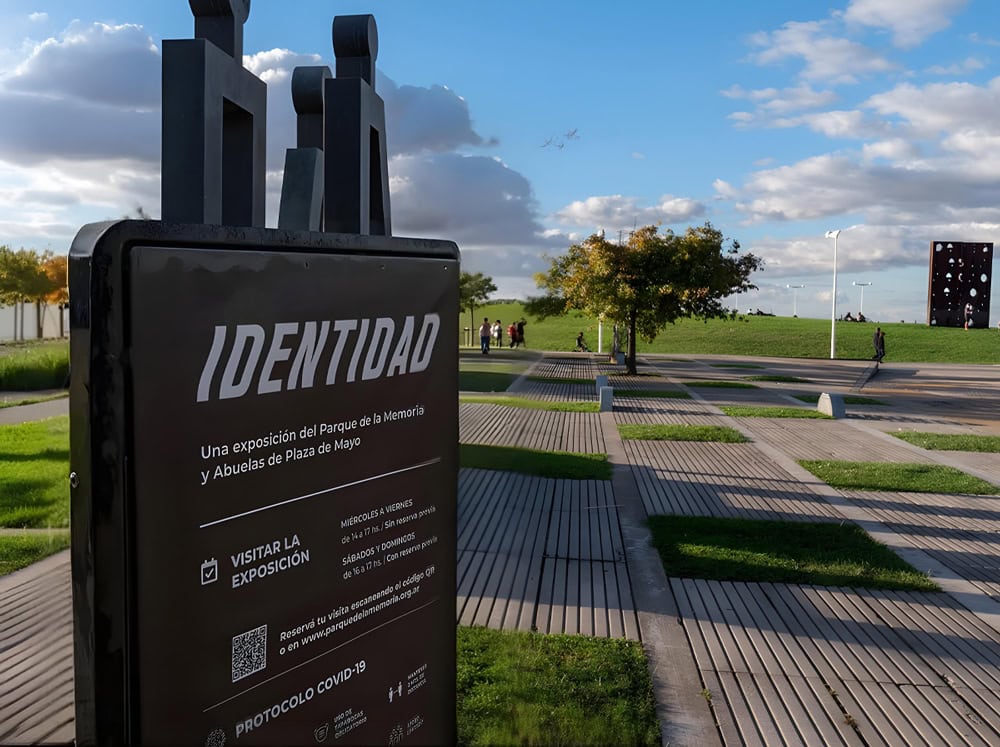
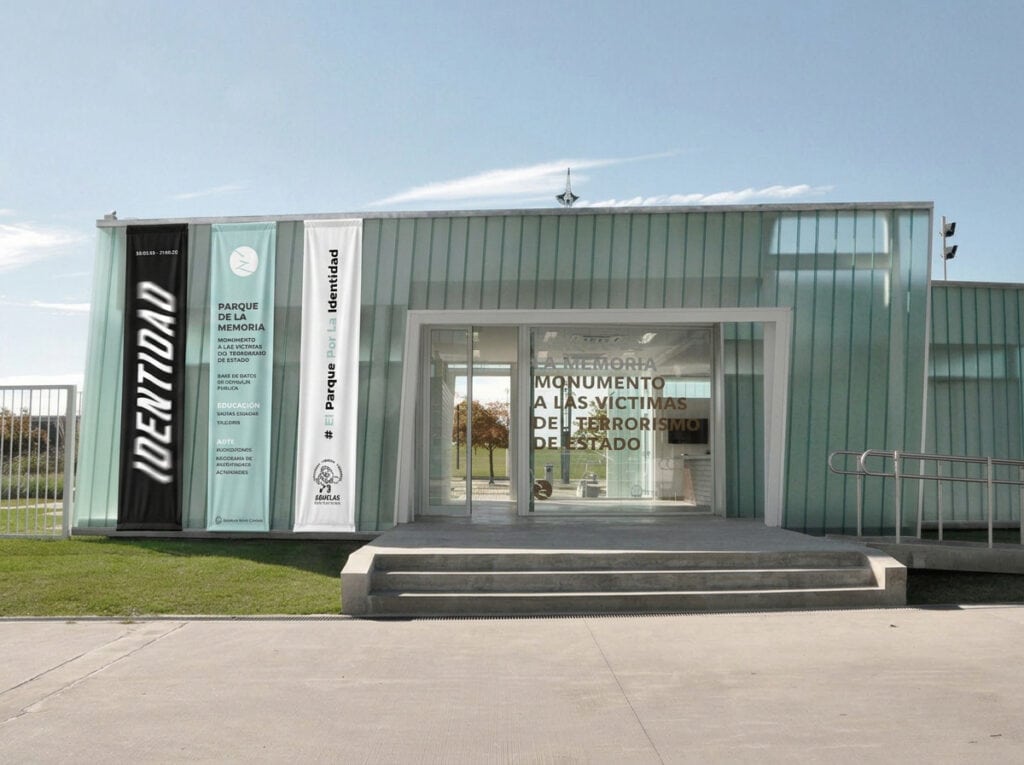
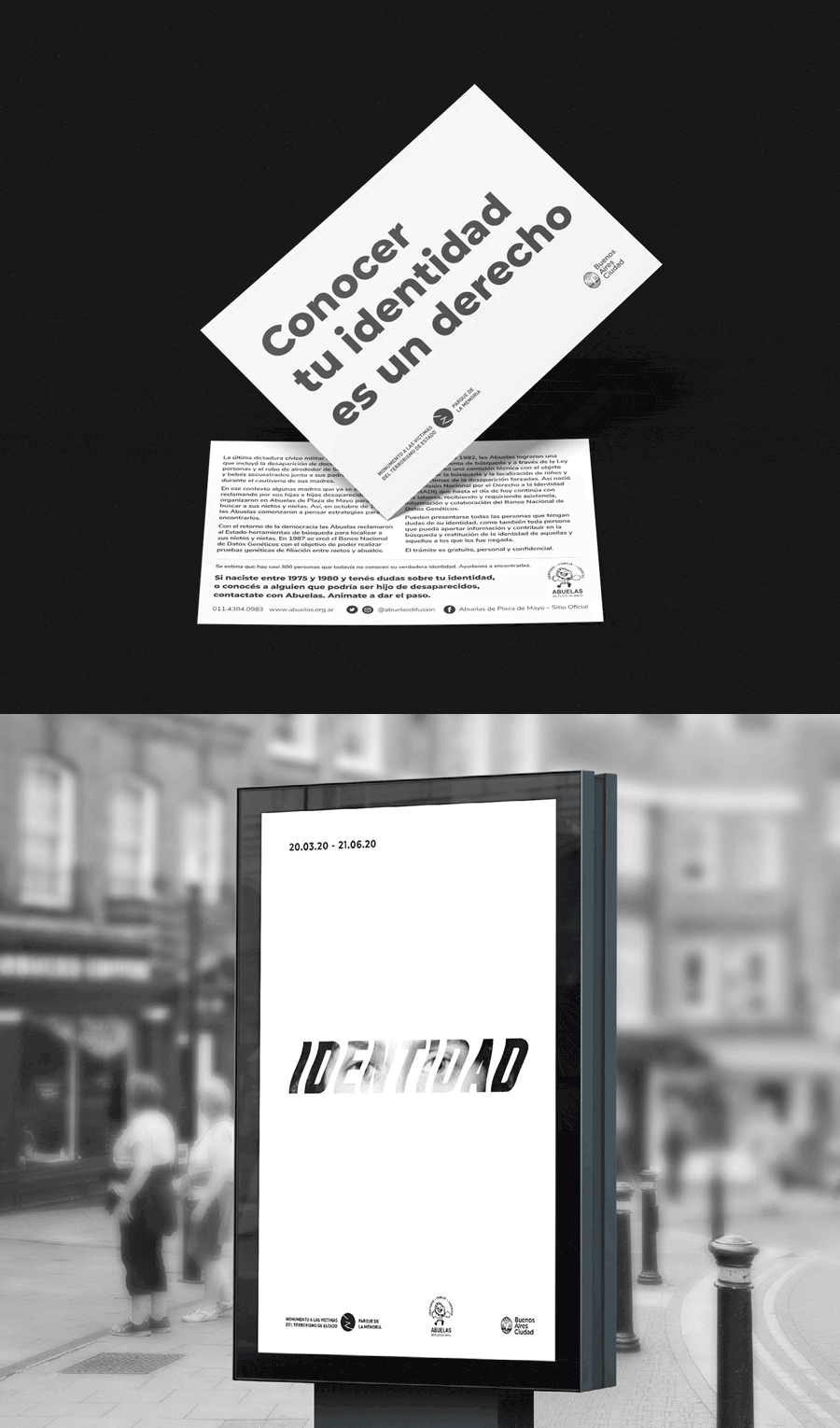
For its re-edition in the PAyS Room of the Memory Park, the design challenge lay in renewing the aesthetics of the communication to establish a symbolic dialogue with the waters of the Río de la Plata that guard the monument.
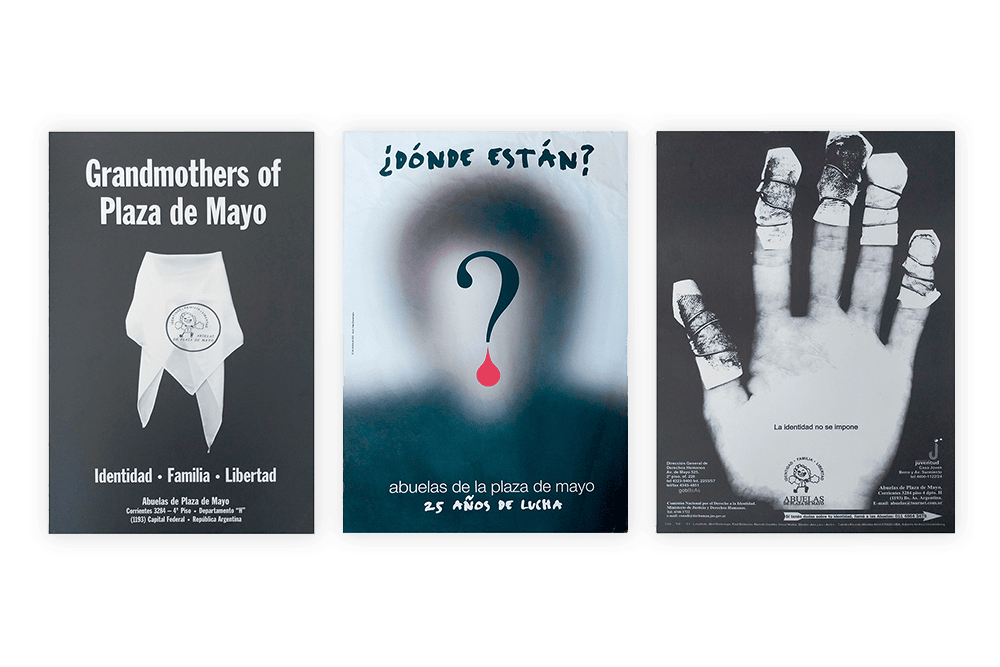
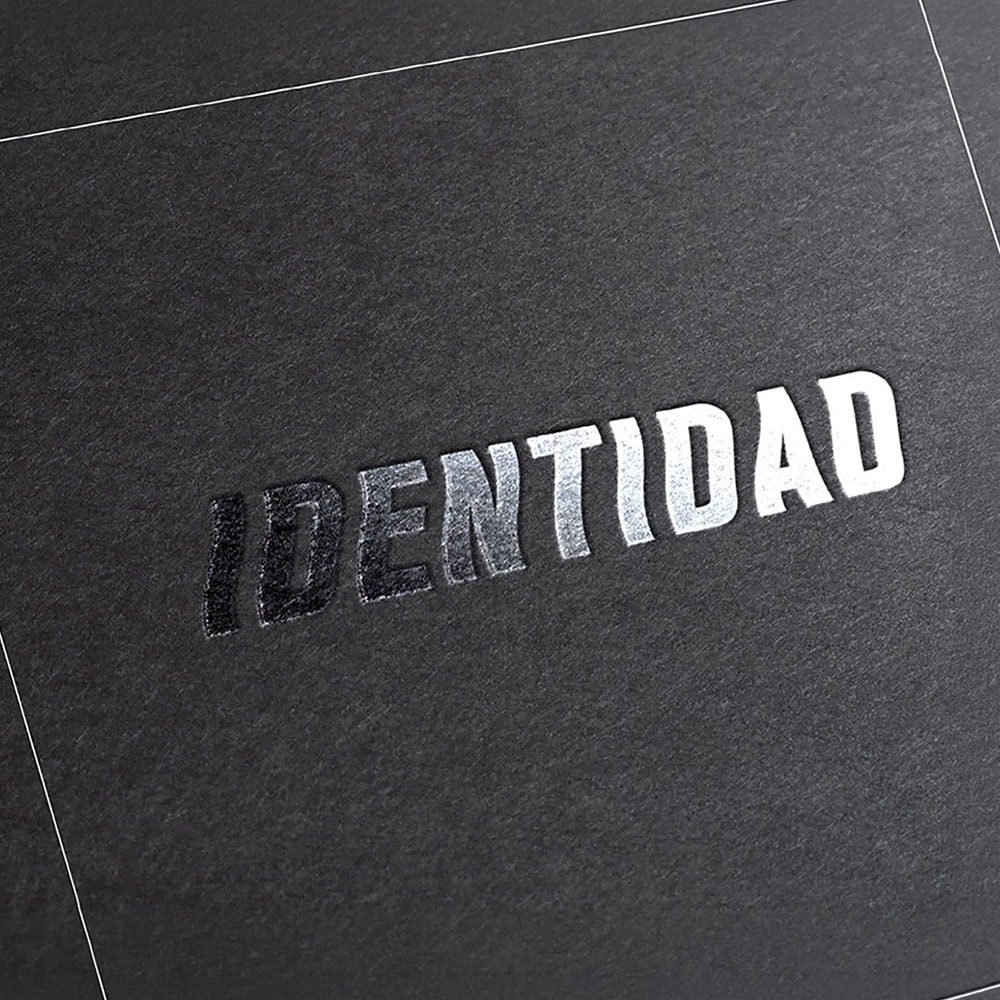
The visual system was resolved through a strictly typographic and minimalist proposal in black and white, a chromatic decision that pays homage to the white handkerchief as a historical symbol of resistance and integrates organically with the analog materiality of the archive photographs.
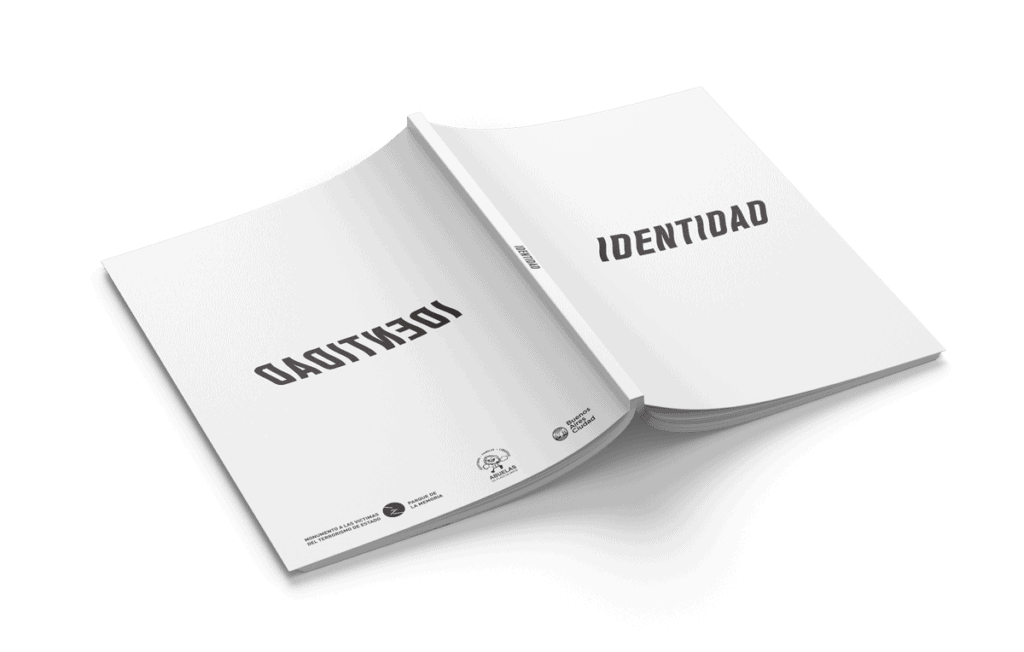
On a formal level, the pieces incorporate subtle visual distortions and typographic anomalies that operate as a material metaphor for a diffuse identity, in constant movement and reconstruction, emulating the fluidity and swell of the river.
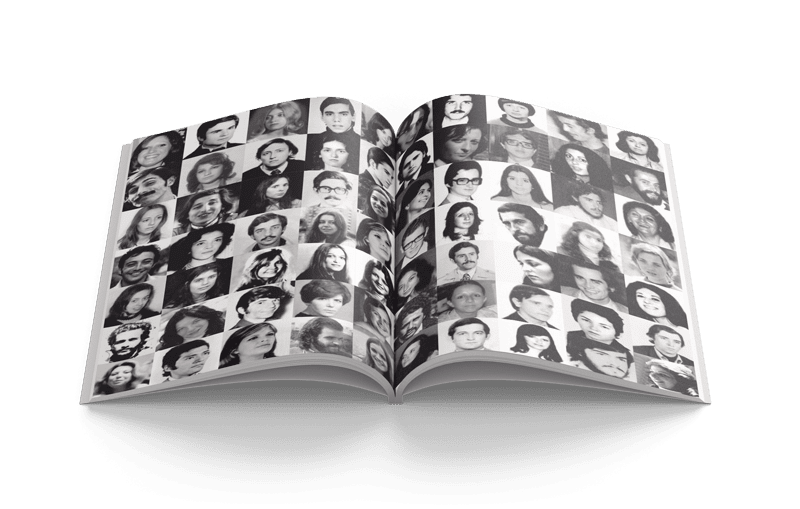
The project encompassed the development of both physical and digital editorial and dissemination materials, including informational postcards, audiovisual pieces for social networks, and the digital catalog of the exhibition.
Each of these graphic vehicles functions as an extension of the active campaign of the Grandmothers of Plaza de Mayo, translating a historical legacy of memory into a contemporary visual language aimed at keeping alive the demand for the nearly 300 people who still live with their falsified identity.
If you were born between 1975 and 1980 and have doubts about your origins, or if you know someone who might be the child of disappeared persons, take the step and contact the Grandmothers of Plaza de Mayo. Help us find them.