© 2014-2025
Parque de la Memoria
— Monument to the Victims of State Terrorism
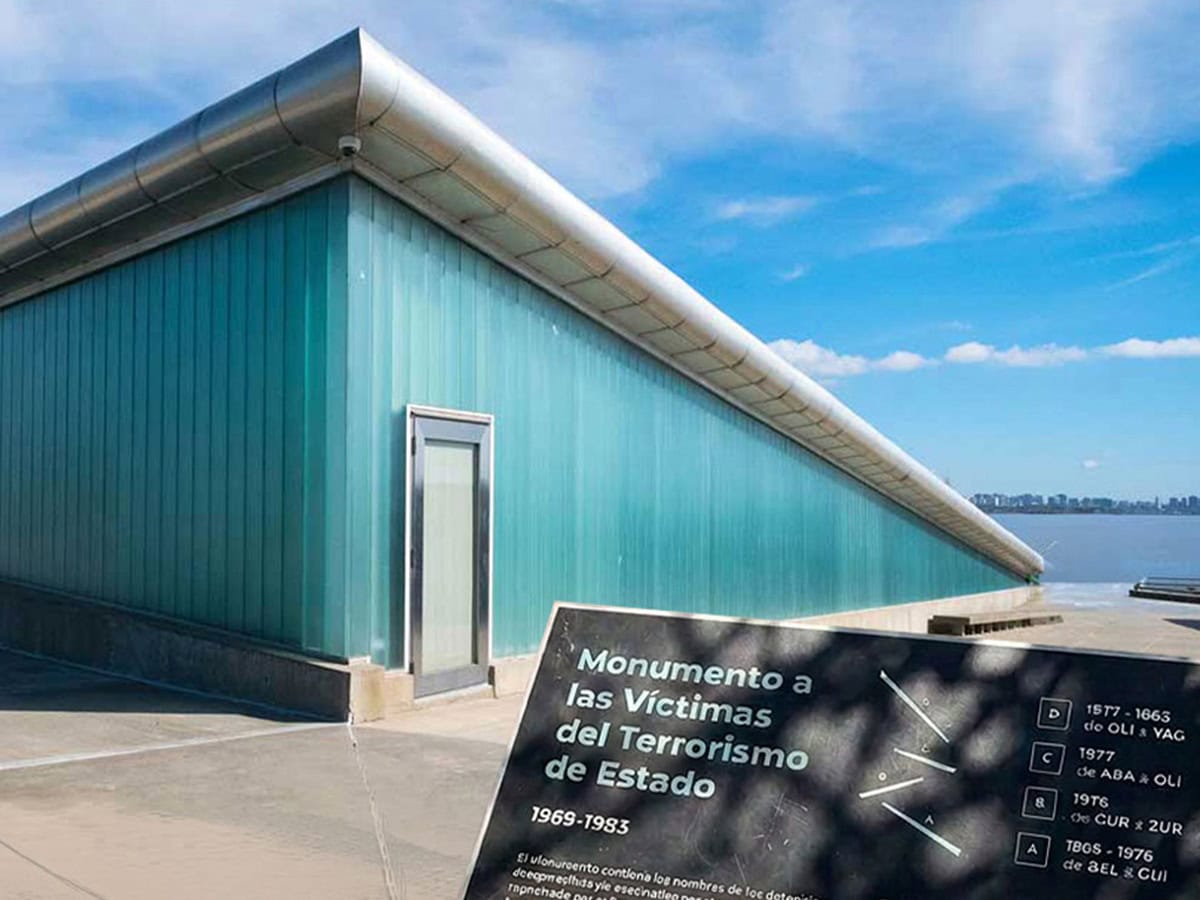
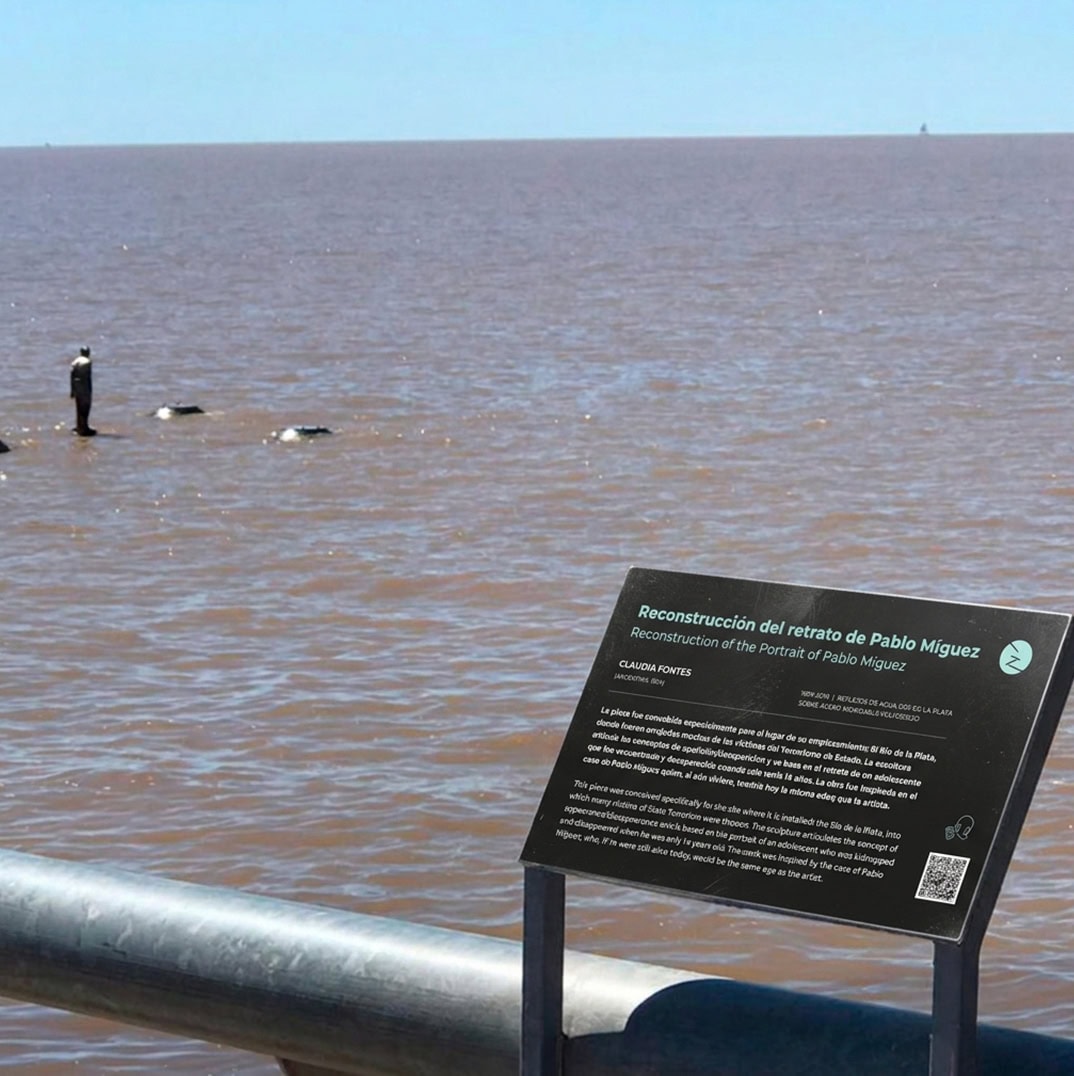
The Memory Park is a fourteen-hectare public space located on the Costanera Norte (North Riverfront) of the City of Buenos Aires. Its location facing the Río de la Plata (River Plate) has a profound symbolic and reparative character, as it stands at the site where the so-called "death flights" were carried out, one of the most brutal methods of forced disappearance implemented by the last civic-military dictatorship in Argentina (1976-1983).
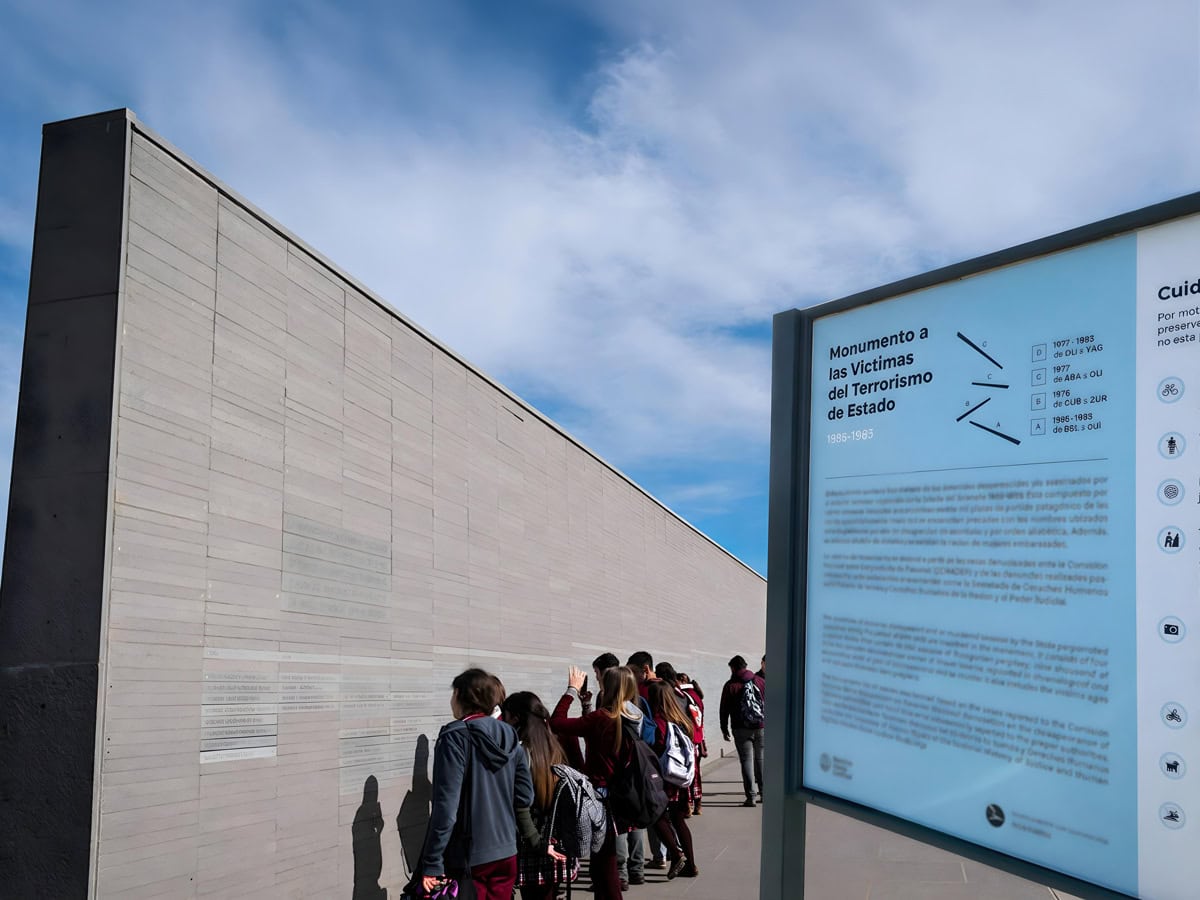
As a monument and memorial site, the grounds house the names carved in stone of thousands of people detained, disappeared, and murdered by state terrorism and paramilitary political violence. Establishing itself as a fundamental element in human rights education, the Park integrates its commemorative dimension with an active cultural program through its contemporary art exhibition hall, a public art program featuring outdoor sculptures, and an educational area that coordinates guided tours and activities with schools.
The complexity of communicating in an environment of this nature lies in the need to articulate historical and documentary rigor with contemporary aesthetic proposals that actively engage the public.
For several years, I was part of the team responsible for conceptualizing, materializing, and visually unifying the various dimensions that coexist in the Park, ranging from the design of normative identity systems to the development of artistic exhibitions and interactive resources.
Institutional identity
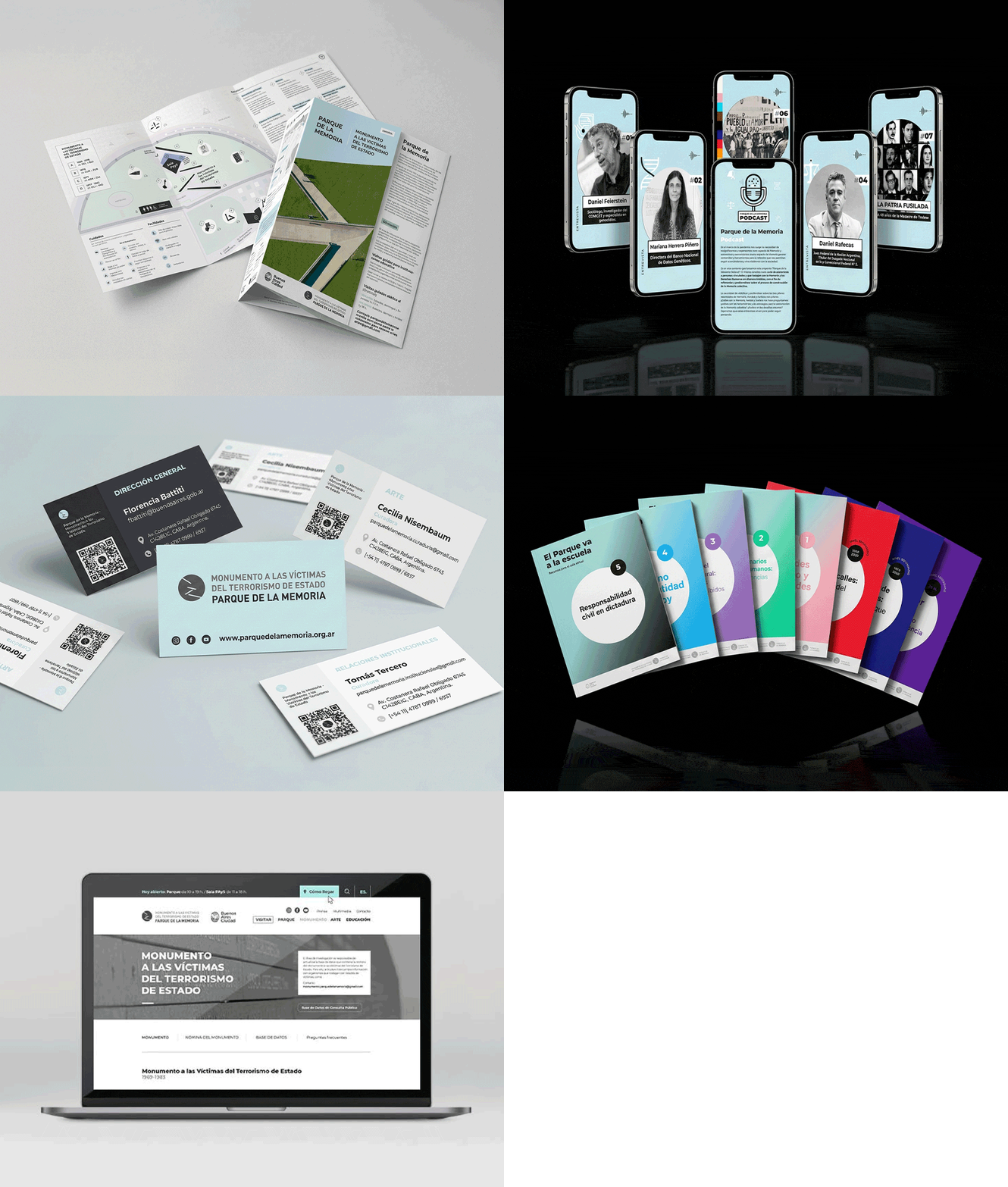
My work encompassed the development of a comprehensive graphic ecosystem designed to engage with the urban environment, the commemorative space, and the digital community:
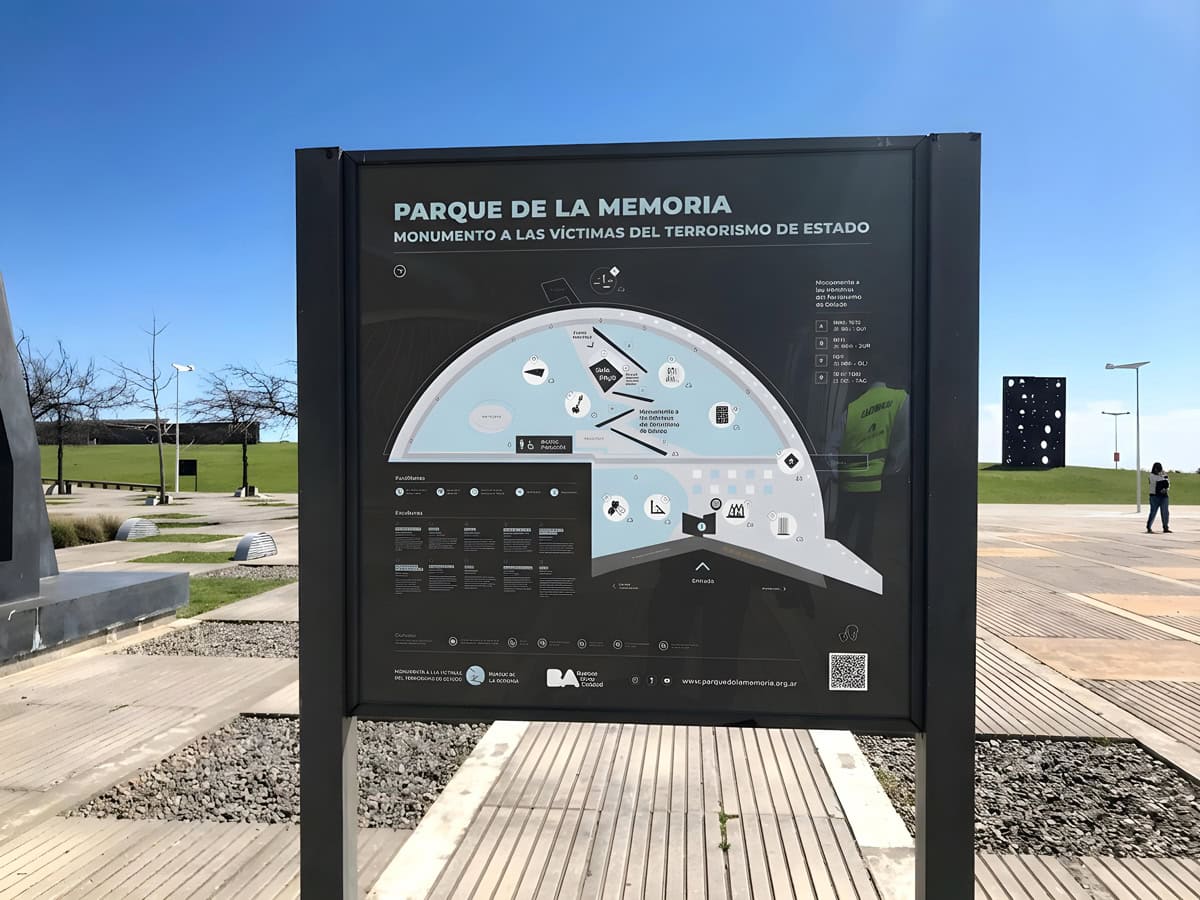
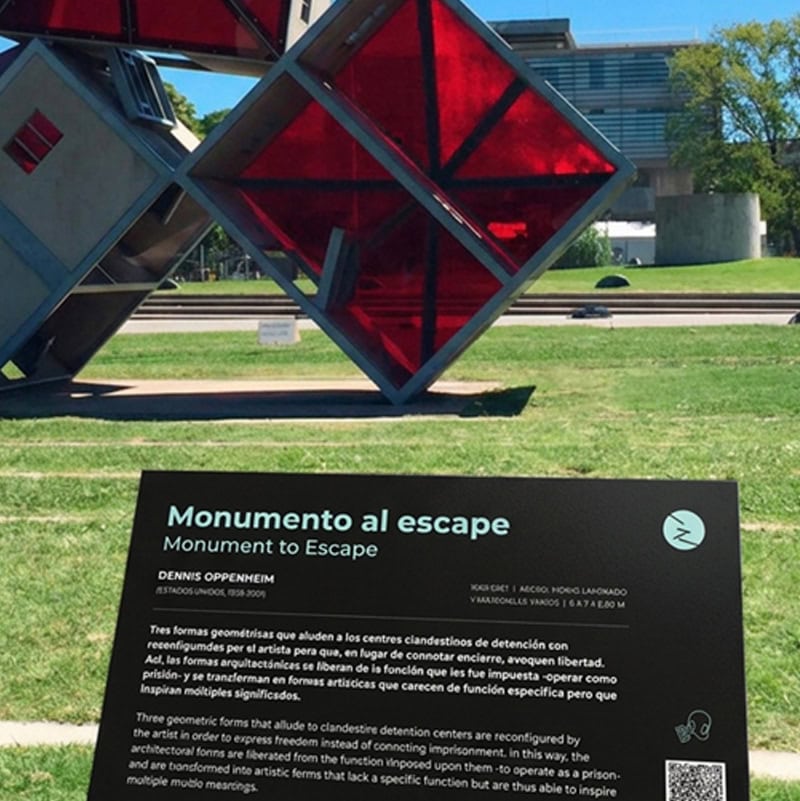
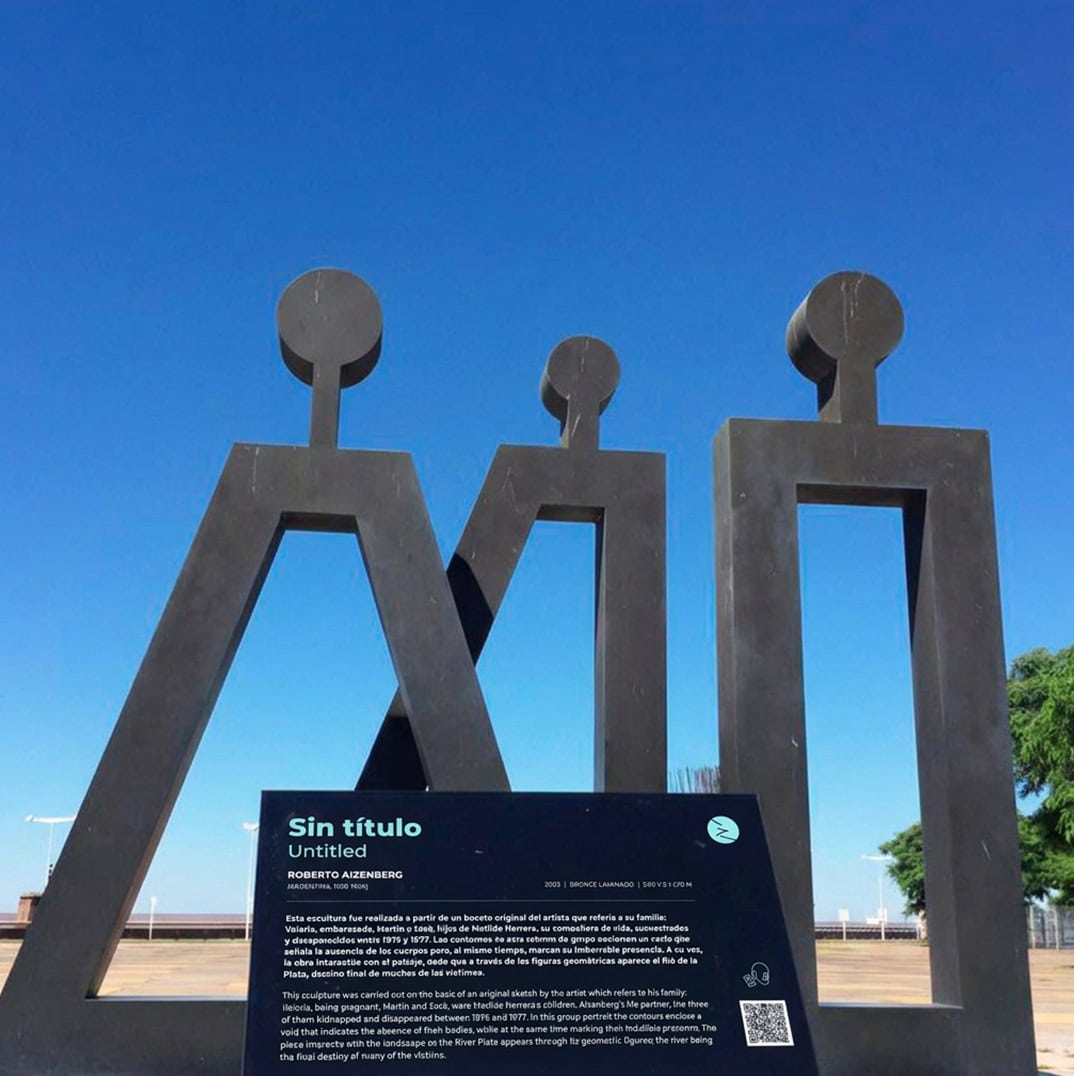
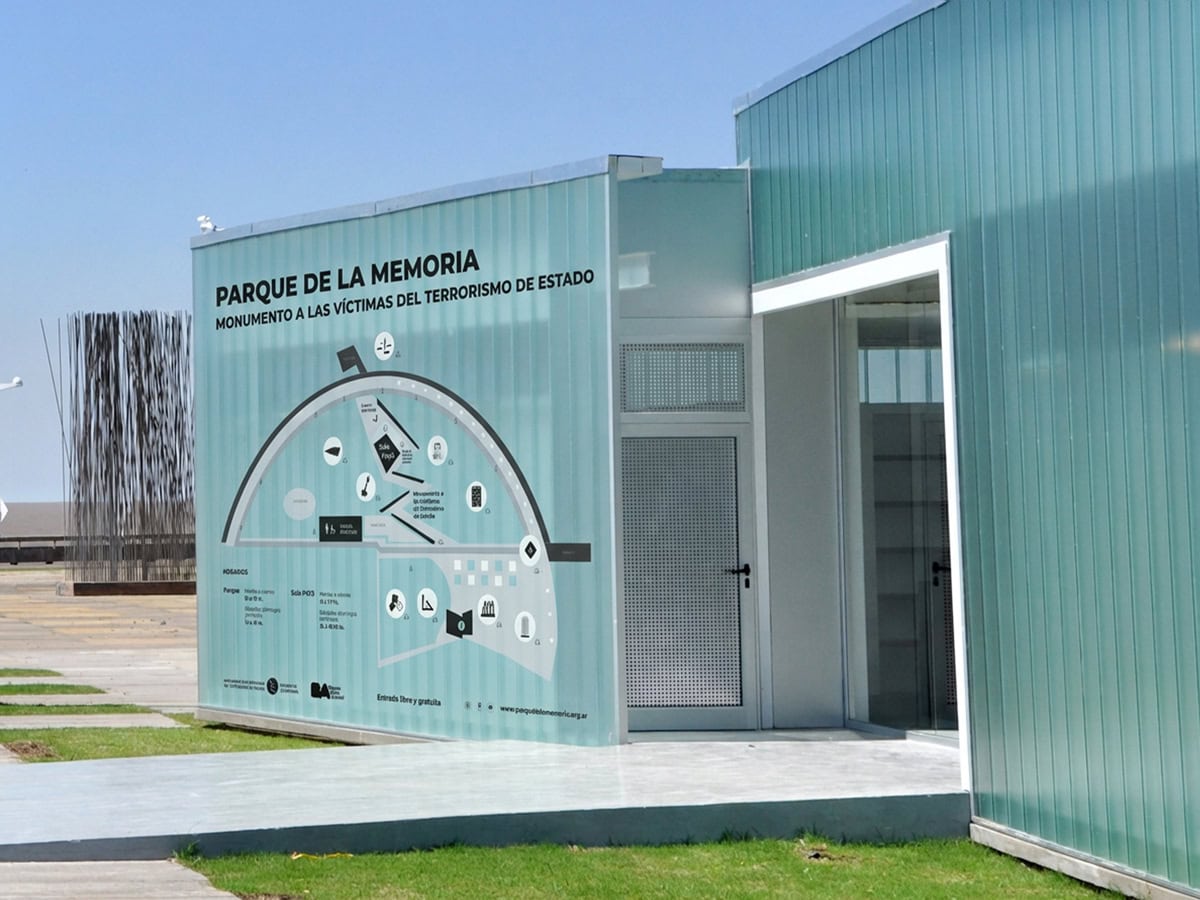
Identity and Signage. Application of institutional branding regulations and design of the signage system for the property of more than 14 hectares.
Digital Communication. Institutional website design. Visual planning of corporate templates, press releases and social media materials intended to publicize anniversaries, announcements and activities of the organization.
Educational Materials. Design and layout of interactive multimedia resources for the education sector.
Exhibitions

The PAyS Hall ("Present, Now and Forever") is the central hub for the organization's cultural activities. Its exhibition program proposes a dynamic intersection between past and present, aiming to explore, from a poetic perspective, various topics related to memory, human rights, and the tensions between art, history, and politics.
In this role, I was responsible for translating the curatorial thesis of each exhibition into a unique museographic, editorial, and communicational visual system. Throughout my tenure, I collaborated with curators, artists, cultural institutions, and graphic production providers on the development of more than 20 exhibitions.
Alicia D'amico
— an identity on the run
The first retrospective exhibition of pioneering feminist photographer Alicia D'Amico. Through a disruptive lens, the exhibition revisits her work and explores the diverse social and political themes she addressed throughout her more than forty-year career.

Martin Webber
— Map of Latin American Dreams
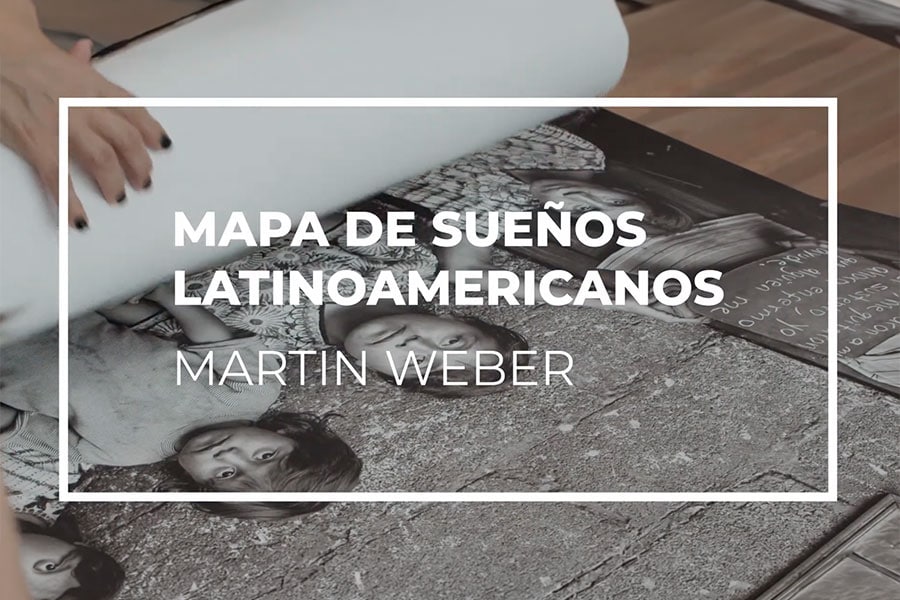
A long-term photographic essay in black and white (1992-2013) that maps the experience of dreaming in Latin America. Through portraits of communities holding slates with their handwritten aspirations, the exhibition subverts the documentary "decisive moment" to introduce a prospective time guided by desire, confronting inequality and juxtaposing the personal with the political through contemporary testimonies and video footage.
Inventing in the open air
— sexual disobedience and political imagination in contemporary art
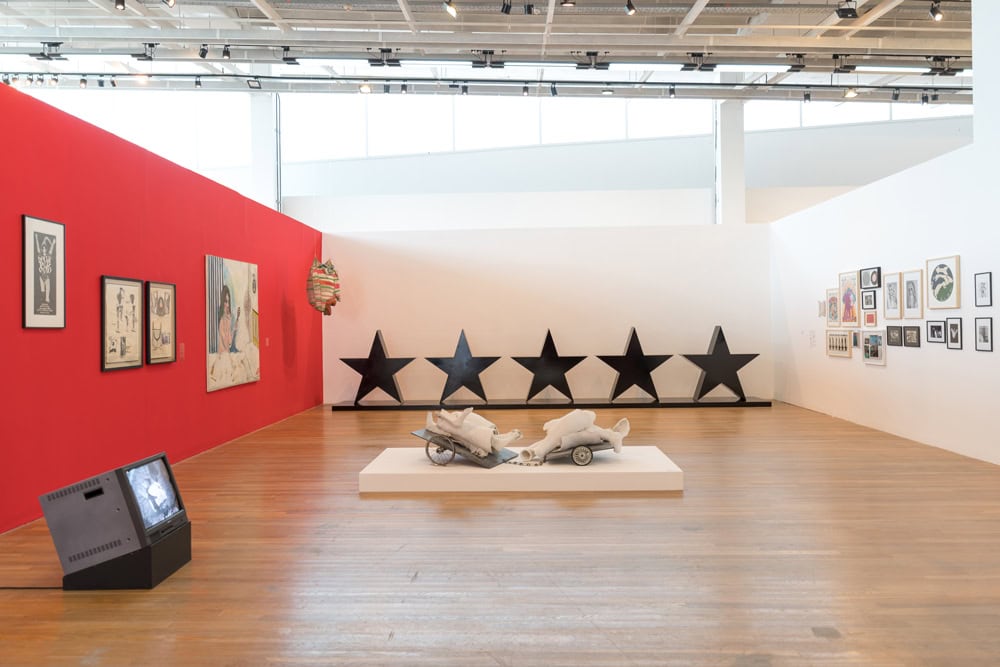
A group exhibition analyzing the intersections between artistic practices and sexopolitical activism in the Argentine art scene from the 1960s to the present. Through thematic areas such as the aesthetics of underground, Through sexual crowds and affective writings, the exhibition explores how the avant-garde and early liberation groups spoke out against authoritarianism, advocating for a creative and vital transformation of society.
Pyres
— stories of witches
An exhibition by the collective Tótem & Tabú uses the figure of the witch to bring to light ancestral knowledge and ideologies of women censored by official history. Originally structured in seven "pyres," the exhibition explores contemporary power structures and taboos through diverse productions—including an audiovisual collage that unveils the media stereotype of the sorceress in the face of patriarchal mandates—positioning these figures as a powerful form of political resistance.
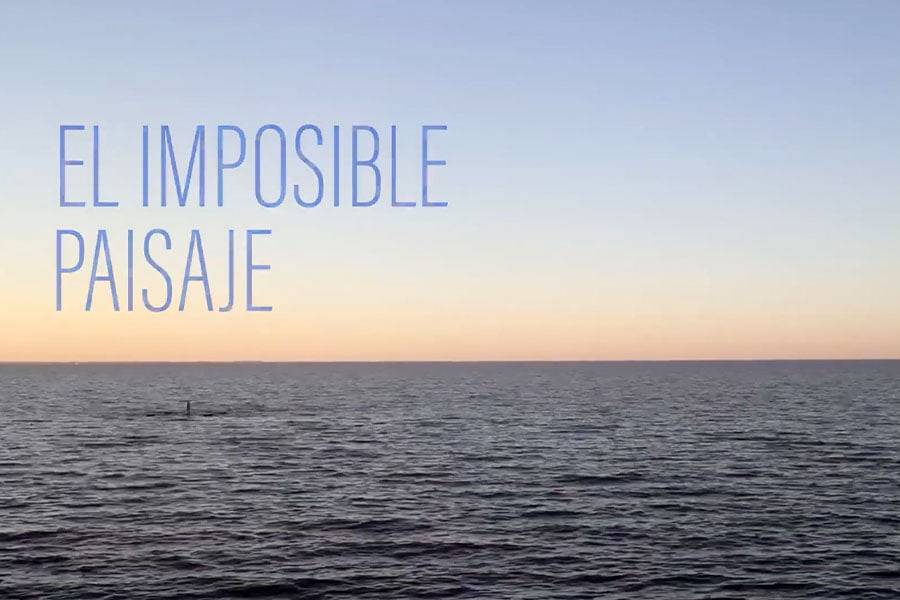
The impossible landscape
— Enrique Ramírez
A poetic reflection that proposes the sea as a territory of memory, connecting the dramatic pasts of Chile and Argentina within the framework of the commemoration of the 50th anniversary of the Chilean coup and the 40th anniversary of Argentine democracy. Through images, videos, and installations, the work dislocates geographical boundaries to address pain and oblivion in a continuous present, acquiring a singular power by engaging directly with the environment of the Memory Park.
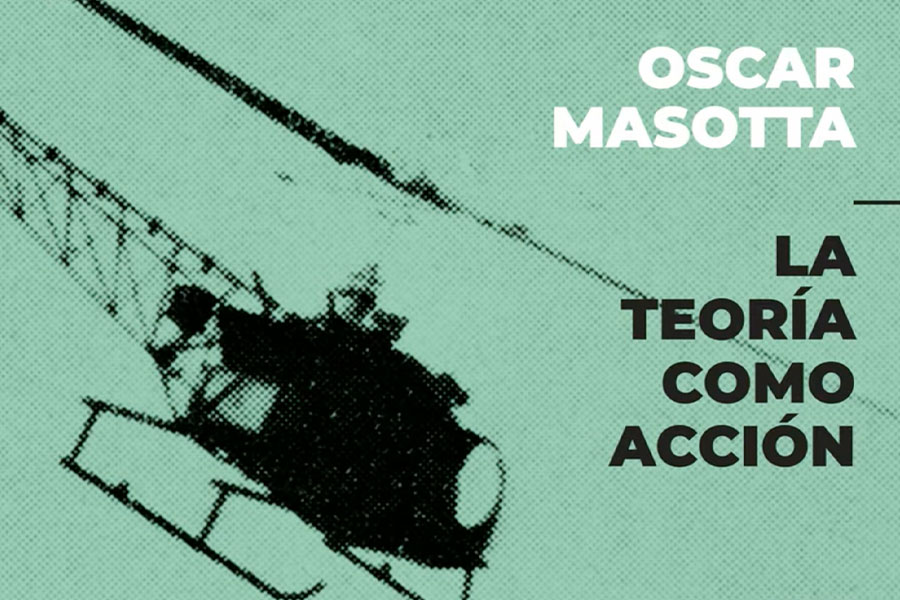
Theory as action
— Oscar Masotta
An exhibition curated by Ana Longoni that kaleidoscopically reconstructs the multifaceted career of this Argentine intellectual and artist. Through documentary material, correspondence, and works linked to the avant-garde of the Di Tella Institute, the exhibition explores his facets as a pioneer of happening, promoter of pop art and introducer of Lacanian psychoanalysis, taking as its axis the theoretical exercise conceived as a form of political action.
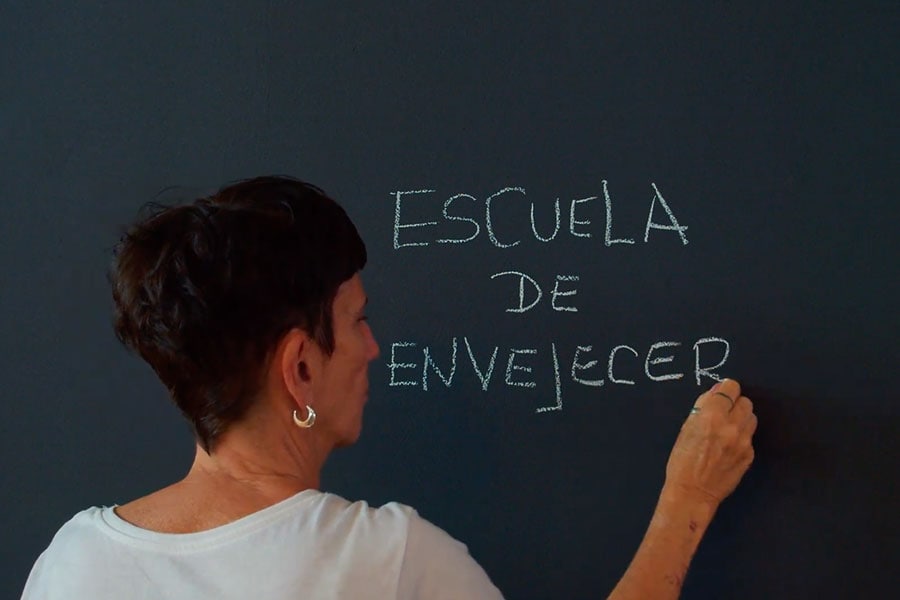
School of aging
— Ana Gallardo
This exhibition, the culmination of over ten years of research, challenges a system that denies old age and the value of time. Structured like a school classroom with four thematic sections—memory, trades, storytelling, and celebration—the exhibition uses chalkboard walls to capture the knowledge and aspirations of older women, continuously evolving through a public program where visitors share these life experiences.
Myths of the near future
— Korea and Argentina
This group exhibition establishes a poetic bridge between the histories of resistance in Argentina and the Republic of Korea, commemorating the 40th anniversary of the Gwangju Massacre. Through intersecting perspectives that revisit archives, shamanic rituals, and memories of state terrorism, the works employ fiction as an ideological tool and propose art as an essential exercise in imagination for sustaining collective coexistence.

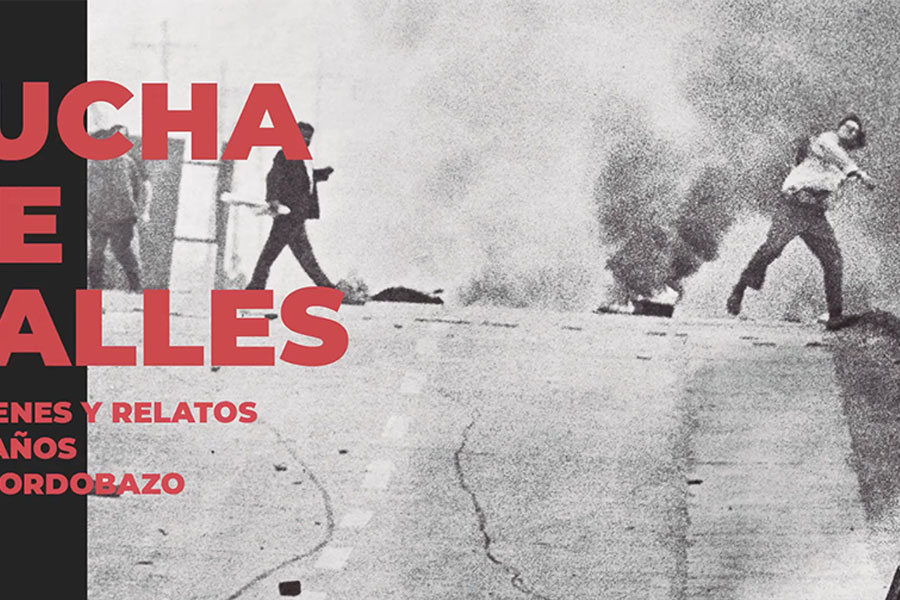
Street fighting
— Images and stories 50 years after the Cordobazo
This commemorative exhibition explores the enduring relevance and collective power of one of the most significant popular uprisings in Argentine history. Through a critical dialogue between documentary archives and contemporary approaches, the works engage with maps and audiovisual records to examine the forms of social resistance and the spatial imprint left by the uprising, transforming this landmark event into a living myth in the face of the present.
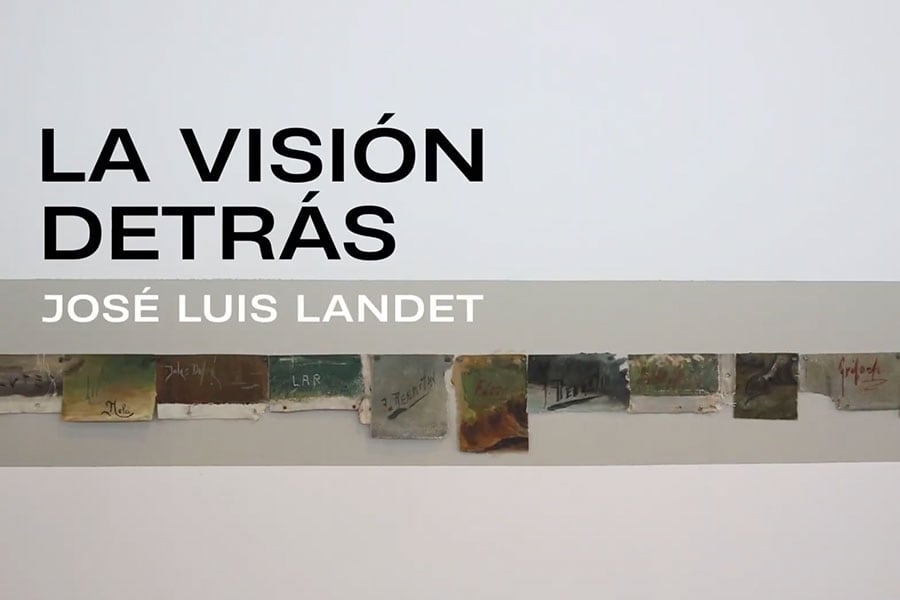
The vision behind
— José Luis Landet
An exhibition that recovers, collects, and transforms images and residual materials to reflect on their modes of production, circulation, and consumption. It draws on an immense archive built from paintings. amateurs, Using old encyclopedias and 20th-century political memorabilia, the proposal relies on fiction to explore the identities of these fragments, expanding into body expression through theatrical improvisation interventions with the group La Bomba de Humo.
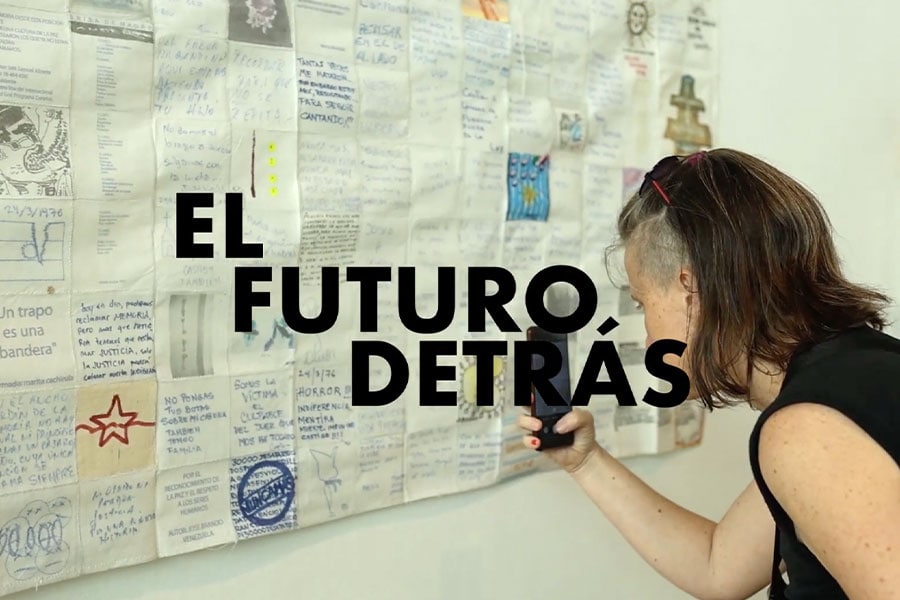
The future behind
— political imagination after the 2001 crisis
A collective exhibition that proposes a retrospective journey through the social creativity that marked Argentina after the crisis of December 2001. Structured in four thematic sections, the exhibition brings together the work of more than sixty artists through visual art, photographs and activist experiences that document neighborhood assemblies and recovered factories, inviting us to think about popular inventiveness as a driving force to project the future in times of crisis.
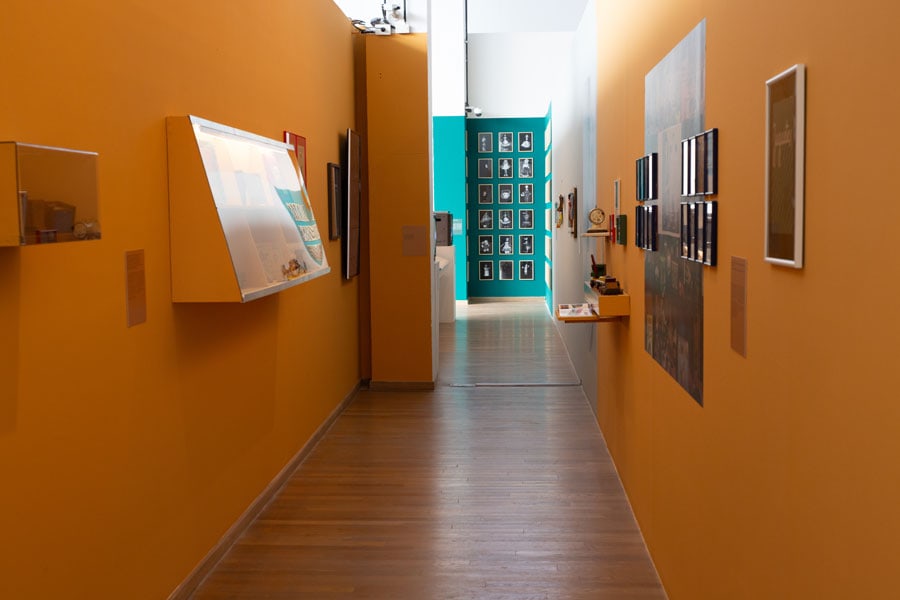
Scale 1:43
— toys, history and material culture
This exhibition proposes a reflection on how play objects function as historical documents and fictional devices linked to Argentine politics. Through a chronological journey that spans from the building blocks of Peronism to the war games of the dictatorship and the consumerism of the 1990s, the exhibition analyzes toys as cultural heritage in dialogue with contemporary artists who reclaim these materials to confront memories and create spaces of encounter.
From east to west and from north to south
— Ana Tiscornia
This exhibition takes as its starting point the connection between architecture and modernity to develop visual metaphors about the cycles of construction and destruction. Through installations, collages Through paintings, the exhibition reflects notions of displacement, fissure, and uncertainty linked to global conflicts and migrations, articulating memory and forgetting to propose a cartography in the face of catastrophe that assumes loss from a hopeful gesture.

Assaig ST 1909-1919
— Gonzalo Elvira
A visual essay that anachronistically intertwines the "tragic weeks" of Barcelona (1909) and Buenos Aires (1919) to reflect on the crises of political and economic representation. Using documentary images, the exhibition subverts the logic of the archive through perforated portraits that condense violence and worker unity, revealing the timelessness of the image and the persistence of systems that replicate the same logics in the face of the rejection of liberal policies.
Right Here and Right Now
— Horacio Zabala
This exhibition combines historical memory with a conceptual re-examination of the artist's own work. The centerpiece of the show is a recreation of his 1972 installation. 300 meters of black tape to mourn a public square, A tribute to the victims of the Trelew Massacre, which was destroyed by the police. By recontextualizing these films, the proposal transforms mourning into an act of critical analysis of the violence of power, complementing it with his celebrated cartographies and preliminary prison designs.
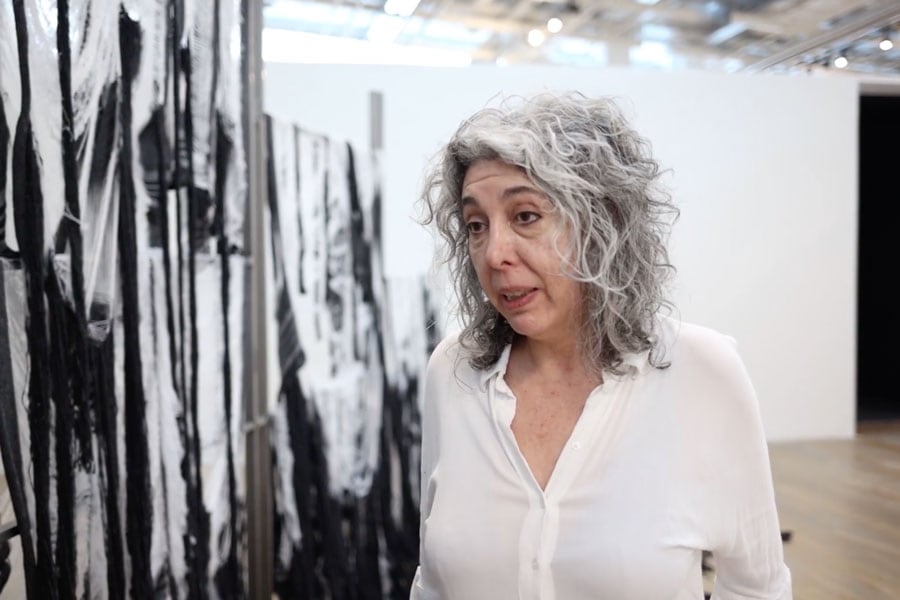
Unleashing the Timeline
— Marcela Astorga
A profoundly sensory experience that explores the skin as a living archive of time and memory. Through a bodily poetics deployed in objects, installations, and videos using organic materials such as leather and wool, the exhibition intervenes in the architectural space to invite the visitor to connect with fragility, protection, and the traces of existence.
The old dream of owning your own little house
— Elda Cerrato
This exhibition brings together works produced between the 1970s and 1990s to explore the relationship between the judiciary and the state in Latin America. Focusing on the fragility of democracy and the resistance of the masses against abuses of power, the exhibition examines the region's historical shifts and confronts the past with a present marked by post-truth, using contemporary art to rethink the guarantees of human rights and justice.
Essays on a court
— Alicia Herrero

This exhibition modifies established rituals and languages to question cultural dominance and the apparent naturalness of the "Law of Capital." Through a staging that subverts institutional structures, the work gives prominence to women and marginalized groups in the role of accusers, using a polyphonic "Chorus" that refuses to occupy the passive position of the victim, inviting a redefinition of the meaning of justice.
Memorial
— Gerardo Goldwasser
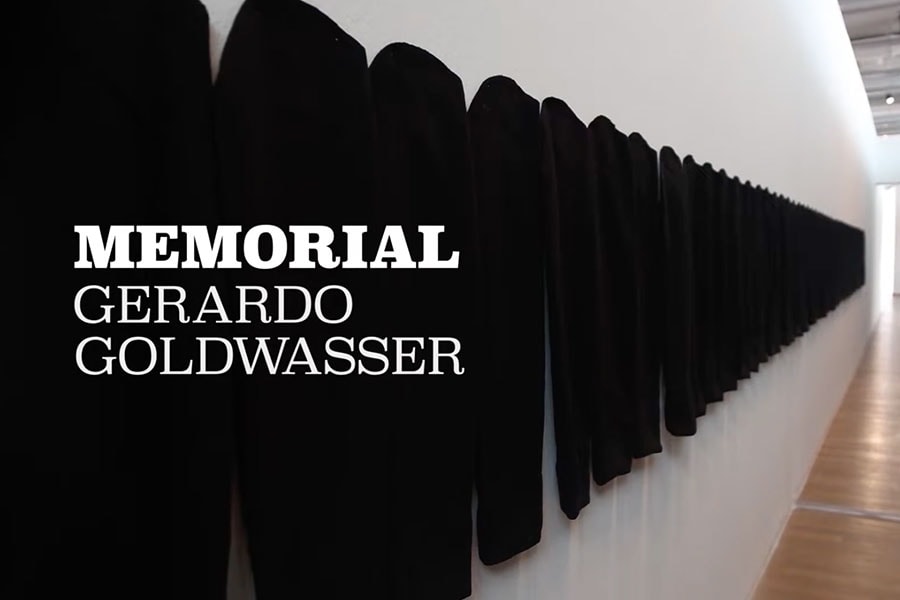
A humanist reflection that invites a critical look at global crises and contemporary wars. With a strong autobiographical imprint linked to the tailoring trade, the artist takes as his starting point a manual inherited from his grandfather, a survivor of the Buchenwald concentration camp. Through an imposing installation of black cloth and patterns, the exhibition reflects on the disciplining of bodies and violence, engaging directly with its surrounding environment.
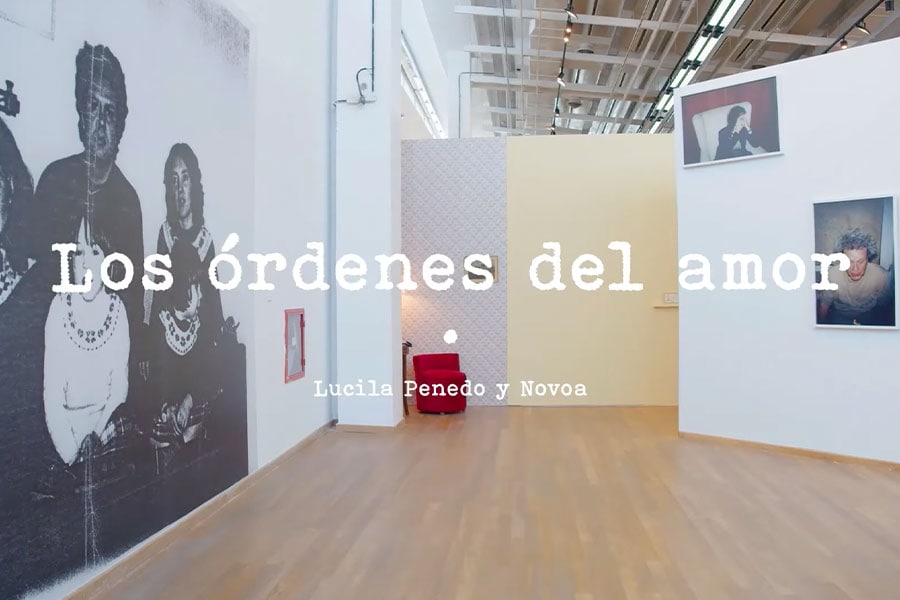
The Orders of Love
— Lucía Penedo y Novoa
This exhibition delves into the intimacy of the artist's family archive to reflect on relationships, absences, and exile during Argentina's last dictatorship. Through a dialogue between historical materials—such as letters from an exiled father, postcards, and passports—and her contemporary photographic work, the exhibition adopts the aesthetic of the analog album to transcend the private and situate itself in a political dimension that functions as a vital exercise in collective memory.